Stepping outdoors, do you ever find yourself squinting against harsh reflections, battling eye strain, or struggling to see clearly? Whether you’re driving on a sunny day, casting a line into shimmering water, or enjoying a brisk hike, glare can turn a pleasant experience into a frustrating one. This common problem diminishes visual clarity, causes discomfort, and can even pose safety risks. Fortunately, there’s a powerful solution: polarized sunglasses. This comprehensive guide will navigate you through the world of polarized eyewear, explaining how it works, its significant benefits, the different types available, and how to choose the perfect pair to enhance your vision and protect your eyes.
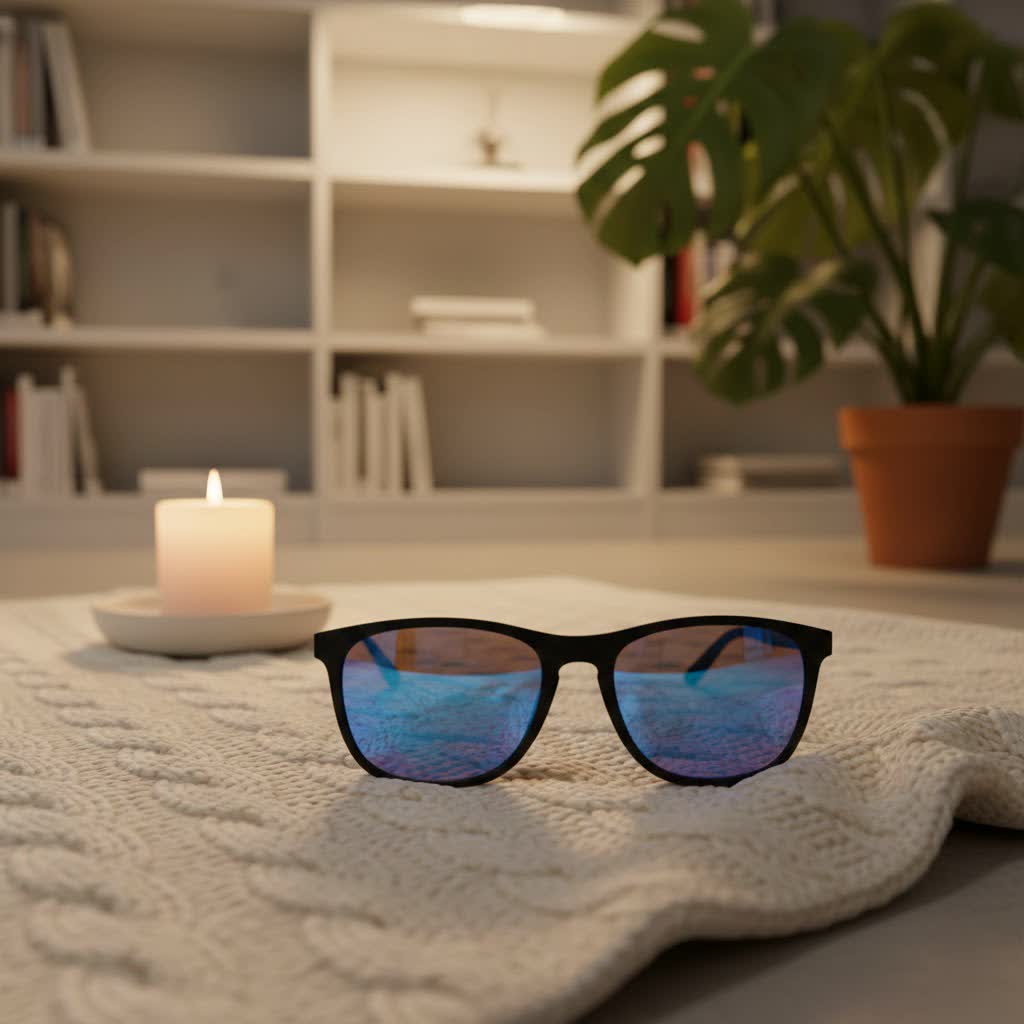
What Are Polarized Sunglasses?
At its core, polarized technology is designed to combat glare, a disruptive type of reflected light. Understanding how it works reveals the key difference between these specialized lenses and conventional tinted sunglasses.
How Polarized Technology Works
|
Our Picks for the Best Polarized Sunglasses in 2026
As an Amazon Associate I earn from qualifying purchases.
|
||
| Num | Product | Action |
|---|---|---|
| 1 | KALIYADI Polarized Sunglasses for Men, Lightweight Sun Glasses with UV Protection for Driving Fishing Golf |

|
| 2 | KALIYADI Polarized Sunglasses for Men, Lightweight Sun Glasses with UV Protection for Driving Fishing Golf |
|
| 3 | 3 Pack Polarized Sports Sunglasses for Men, Mens Sunglasses Wrap Around UV Protection for Cycling Fishing Driving |
|
| 4 | 3 Pack Polarized Sports Sunglasses for Men, Mens Sunglasses Wrap Around UV Protection for Cycling Fishing Driving |
|
| 5 | KALIYADI Polarized Sunglasses for Men, Lightweight Sun Glasses with UV Protection for Driving Fishing Golf |
|
| 6 | KALIYADI Polarized Sunglasses for Men, Lightweight Sun Glasses with UV Protection for Driving Fishing Golf |
|
| 7 | 3 Pack Polarized Sports Sunglasses for Men, Mens Sunglasses Wrap Around UV Protection for Cycling Fishing Driving |
|
| 8 | 3 Pack Polarized Sports Sunglasses for Men, Mens Sunglasses Wrap Around UV Protection for Cycling Fishing Driving |
|
| 9 | KALIYADI Polarized Sunglasses for Men, Lightweight Sun Glasses with UV Protection for Driving Fishing Golf |
|
| 10 | KALIYADI Polarized Sunglasses for Men, Lightweight Sun Glasses with UV Protection for Driving Fishing Golf |
|
Light waves naturally vibrate in all directions. When sunlight bounces off flat, reflective surfaces like water, snow, wet roads, or even a car hood, these light waves often become concentrated and organized into a horizontal plane. This horizontally vibrating light is what we perceive as blinding glare.
Polarized lenses contain a special chemical filter, typically laminated within the lens material, with millions of parallel, vertically aligned rows. Think of it like a tiny Venetian blind or a picket fence. This filter acts as a barrier, allowing only vertically oriented light waves to pass through to your eyes while effectively blocking the harsh, horizontally reflected glare. By eliminating this specific type of light, polarized lenses significantly reduce brightness and the visual discomfort associated with glare.
Polarized vs. Regular Sunglasses
The primary distinction between polarized and regular tinted sunglasses lies in their ability to manage glare. While standard sunglasses merely reduce the overall intensity of light, making everything darker, they don’t specifically block glare. This means you might still experience discomfort and reduced visibility from reflections.
Polarized sunglasses, on the other hand, actively filter out glare, leading to a much clearer and crisper view. It’s crucial to understand that polarization itself does not inherently provide UV protection. However, all high-quality polarized sunglasses integrate 100% UVA/UVB protection (often labeled as UV400) into their lenses. This dual benefit ensures your eyes are safeguarded from harmful ultraviolet radiation while also enjoying superior glare-free vision and enhanced contrast.
Benefits of Polarized Sunglasses
The advantages of wearing polarized sunglasses extend far beyond simple glare reduction, impacting visual comfort, clarity, and safety across various activities.
Reduced Glare and Eye Strain
The most immediate and noticeable benefit of polarized sunglasses is their exceptional ability to reduce glare. This is particularly valuable when light reflects off surfaces like water, snow, glass, or roads. Without glare, your eyes don’t have to work as hard to interpret images, which significantly reduces eye fatigue and discomfort, especially during prolonged outdoor exposure.
Enhanced Clarity and Contrast
By eliminating scattered light, polarized lenses allow you to see objects with greater clarity and enhanced contrast. Colors often appear more vibrant and true-to-life, and details become more defined. This improvement in visual acuity can make a significant difference in enjoying scenery or performing tasks that require precise vision.
Improved Vision for Specific Activities
- Driving: Glare from wet roads, shiny car surfaces, or even the dashboard can be distracting and dangerous. Polarized sunglasses reduce this glare, improving visibility and making driving safer and more comfortable. However, be aware that they can sometimes make it difficult to see certain digital displays or instrument panels in vehicles.
- Fishing and Water Sports: For anglers, kayakers, or sailors, polarized lenses are revolutionary. They cut through the surface glare on water, allowing you to see deeper into the liquid, spot fish, underwater structures, or navigate hazards more easily.
- Snow Sports: Similar to water, snow is a highly reflective surface. Polarized lenses effectively reduce the blinding glare from snow, improving visibility on the slopes. However, one potential drawback is that they can flatten the appearance of ice patches, making it harder to distinguish them from snow.
- Cycling and Running: Polarized sports sunglasses offer protection from wind, debris, and sun, while reducing glare from roads or other reflective surfaces, allowing athletes to focus on their path.
- Golf: Some golfers find polarized lenses enhance contrast, helping them better read the greens and track the ball against the sky or fairway.
UV Protection
While polarization tackles glare, quality polarized sunglasses also incorporate robust UV filters. They offer 100% protection against both UVA and UVB rays, which are known to contribute to long-term eye damage such as cataracts and macular degeneration. This comprehensive protection is vital for anyone spending time outdoors.
Types of Polarized Sunglasses
Polarized sunglasses come in a variety of designs and with different lens materials, each suited for particular needs and preferences.
Classification by Intended Use
- Driving Sunglasses: Designed to minimize glare from the road and car windows, often featuring brown or gray tints for optimal contrast and true color perception.
- Fishing/Water Sports Sunglasses: Frequently incorporate specific lens tints (like green, blue mirror, or copper) and often have wraparound frames for maximum coverage and to reduce light leakage, crucial for seeing below the water’s surface.
- Snow Sports Sunglasses: Feature specialized tints and sometimes mirrored coatings to manage intense glare from snow and ice, though users should be mindful of how polarization affects the perception of icy patches.
- Sports Sunglasses: Characterized by lightweight, durable, and impact-resistant frames with secure fits (e.g., hydrophilic grips) to ensure they stay in place during strenuous activities. Many offer wider fields of view and robust UV protection.
- Fashion/Lifestyle Sunglasses: Blend aesthetic appeal with the practical benefits of polarization, offering a wide range of styles and frame materials for everyday wear.
Classification by Lens Material
The material of your polarized lenses significantly impacts their performance, durability, and weight.
- Polycarbonate Lenses: These are highly impact-resistant, making them an excellent choice for sports and active lifestyles. They are lightweight and shatterproof but can be more prone to scratching than glass. Many high-quality polarized lenses use polycarbonate as their base.
- Glass Lenses: Known for offering superior optical clarity and exceptional scratch resistance, glass lenses provide the crispest vision with virtually no distortion. However, they are heavier and more fragile than polycarbonate, making them less ideal for activities where impact is a concern. Brands like Costa Del Mar often utilize high-quality glass lenses (e.g., 580G).
- CR-39 Lenses: Also known as plastic resin lenses, CR-39 offers good optical clarity, better than standard plastic but not quite as sharp as glass. They are lighter than glass but heavier than polycarbonate and provide decent scratch resistance.
- Triacetate Cellulose (TAC) Lenses: Commonly found in budget-friendly polarized sunglasses, TAC lenses are effective at blocking glare and are lightweight. However, they are generally less durable and more susceptible to scratches and distortion over time compared to other materials.
Choosing the Right Polarized Sunglasses (Buying Guide)
Selecting the best polarized sunglasses involves balancing functionality, comfort, style, and budget. Here’s a detailed guide to help you make an informed decision.
Factors to Consider
- Purpose: Your primary activities will dictate the best type of sunglasses.
- For driving, focus on glare reduction from roads and dashboards, and ensure compatibility with your vehicle’s digital displays.
- For fishing or water sports, prioritize excellent glare reduction off water, lens tints that enhance contrast, and often a secure, wraparound fit.
- For hiking or general outdoor use, look for comfort, 100% UV protection, and good clarity.
- For high-impact sports, impact-resistant polycarbonate lenses and a very secure fit are paramount.
- Lens Quality & Technology: Different brands employ proprietary lens technologies to enhance clarity, color, and glare reduction.
- Smith Optics’ ChromaPop lenses are praised for enhancing color and clarity.
- Maui Jim’s PolarizedPlus2 technology is known for superior glare reduction and vibrant color enhancement.
- Costa Del Mar’s 580G glass lenses offer exceptional clarity and scratch resistance, particularly for water activities.
- Kaenon’s SR91 is a high-performance, impact-resistant lens material.
- UV Protection: Always confirm that the sunglasses offer 100% protection against UVA and UVB rays (UV400). Polarization and UV protection are distinct features, and both are essential.
- Lens Tint/Color: Different tints optimize vision for various conditions.
- Gray lenses provide accurate color perception and are versatile for everyday use and bright conditions.
- Brown or Amber lenses enhance contrast and depth perception, making them excellent for variable light conditions, driving, and golfing.
- Green lenses brighten shadows and offer good contrast, suitable for a range of activities.
- Blue or Purple lenses are effective at reducing glare from water and snow.
- Red or Pink lenses can ease eye strain and improve depth perception.
- Frame Material & Durability:
- Nylon and plant-based bio-resins are lightweight, flexible, and durable, often used in sports frames.
- Metal frames offer a classic, stylish look but can be heavier.
- Acetate provides a rich look and feel, available in many colors.
- Rubberized grips on nose pads and temples improve stability during active use.
- Fit and Comfort: Sunglasses should fit snugly without pinching or sliding down your nose. A proper fit ensures optimal vision and prevents light leakage from the sides. Wraparound styles offer broader peripheral protection. Consider lightweight options for prolonged wear.
- Style: While function is key, personal style matters. Choose frames that complement your face shape and aesthetic preferences.
- Price/Budget: Polarized sunglasses range from affordable options (e.g., Goodr) to premium investments (e.g., Maui Jim, Costa). Decide on your budget, but prioritize quality for optimal eye protection and performance.
Tips for Selection
- Try Before You Buy: Whenever possible, try on sunglasses to assess comfort, fit, and how they interact with your vision.
- Verify Polarization: If buying in-store, ask for a polarization test card or use an LCD screen (like your phone). Hold the sunglasses up to the screen and rotate them; if the screen darkens or appears to black out at certain angles, the lenses are polarized.
- Consider Impact Resistance: For active individuals or those involved in sports, impact-resistant lenses (like polycarbonate) are crucial for safety.
- Read Reviews: Look for reviews specific to your intended use case to get real-world insights into performance and durability.
- Consult a Professional: For specific vision needs or prescription polarized sunglasses, consult an eye care professional.
Top Polarized Sunglasses Brands
The market offers an array of excellent polarized sunglasses. Here are some of the most reputable brands, known for their quality, innovation, and performance:
- Smith Optics: Renowned for their ChromaPop lenses, which filter specific light crossovers to enhance clarity, natural color, and definition. Models like the Guide’s Choice are highly rated for overall performance, especially for those with larger faces.
- Maui Jim: A leader in polarized eyewear, Maui Jim’s PolarizedPlus2 technology not only eliminates glare but also enhances color and contrast to an exceptional degree. Their lenses are often lightweight (like the MauiPure material in models such as the Wailua) and provide excellent optical quality.
- Costa Del Mar: With a strong focus on water sports, Costa specializes in polarized lenses. Their 580G glass lenses offer superior clarity and scratch resistance, making them a favorite among anglers. Frames like the Caleta are even sustainably made from recycled fishing nets.
- Oakley: Famous for innovative sports eyewear, Oakley’s Prizm polarized lenses are engineered to fine-tune vision for specific environments, enhancing contrast and color visibility, particularly on water. The Leffingwell offers a stylish yet functional option.
- Goodr: Known for their budget-friendly price point, fun styles, and surprisingly good performance for running and active lifestyles. Goodr’s OG Polarized Sunglasses are lightweight, comfortable, and often pass durability tests, making them a great value option.
- Vallon: Offers quality polarized sunglasses at a reasonable price. Models like the Waylons provide great coverage and a stylish look for everyday wear and light outdoor activities.
- Ombraz: A unique brand known for its armless design, featuring a cord system that keeps the sunglasses securely on your head. This innovative approach makes them incredibly versatile and prevents them from falling off, especially during water sports.
- Tifosi: This brand provides lightweight and durable options, often with hydrophilic rubber grips that increase adhesion when you sweat. The Seek 2.0 is a popular choice for runners due to its secure and comfortable fit.
- Leupold: Specializing in rugged eyewear, Leupold offers polarized sunglasses like the Cheyenne which are ANSI rated for ballistic protection, making them ideal for hunting and shooting. They feature durable, scratch-resistant lenses and full-wrap designs.
- Dragon Alliance: Known for stylish frames and innovative features, Dragon offers models like the H2O Mari which feature floatable frames—a game-changer for water enthusiasts. Their Lumalens technology filters blue and green light for enhanced color and clarity.
- Reks Optics: Offers highly durable sunglasses with virtually unbreakable frames, providing a robust option for those who are particularly hard on their eyewear.
Conclusion
Polarized sunglasses are far more than just a fashion accessory; they are an essential tool for protecting your eyes and enhancing your vision in any bright outdoor environment. By effectively cutting debilitating glare, reducing eye strain, and boosting clarity and contrast, these specialized lenses allow you to experience the world with newfound comfort and precision. Whether you’re navigating busy roads, enjoying serene waters, or conquering mountain trails, selecting the right pair—considering lens material, tint, frame durability, and a comfortable fit—is paramount. Invest in a pair of top polarized sunglasses, and you’ll not only safeguard your eyes but also unlock a clearer, more vibrant view of your surroundings.
What adventures will you embark on with your perfect polarized shades?
Frequently Asked Questions
Are polarized sunglasses bad for digital screens?
Yes, polarized sunglasses can make it difficult to view LCD screens on phones, car dashboards, or ATMs. The polarization filters in the sunglasses can interact with the polarized light emitted by these screens, causing them to appear darkened or even black at certain angles.
Do polarized sunglasses protect against UV rays?
Polarization itself reduces glare but does not inherently block UV rays. However, almost all reputable polarized sunglasses are designed to offer 100% protection against both UVA and UVB rays (UV400), which is crucial for preventing sun damage to your eyes. Always check the UV rating when purchasing.
Can I use polarized sunglasses for night driving?
No, polarized sunglasses are not suitable for night driving. They are designed to reduce bright glare and typically have darker tints, which would severely diminish overall light transmission at night, making it unsafe to drive. For night driving, clear or very lightly tinted non-polarized lenses are recommended.
How can I tell if my sunglasses are polarized?
A simple test is to hold your sunglasses up to an LCD screen (like a smartphone or computer monitor) and slowly rotate them. If the lenses are polarized, the screen will appear to darken or black out at a certain angle. Another method is to look at a reflective surface (like a car windshield) without the glasses, then with them; if glare is significantly reduced, they are likely polarized.
Are darker polarized lenses better for sun protection?
Not necessarily. The darkness of a lens primarily affects visible light transmission, but it does not directly correlate with UV protection or the effectiveness of polarization. High-quality lens materials and coatings determine the level of UV protection and glare reduction, not just the tint’s darkness.
