Stepping into the bright outdoors, do you often find yourself squinting, battling harsh glare, or wishing for sharper, more vivid vision? While many sunglasses offer basic tinting, only a select few truly revolutionize your visual experience: glass lens polarized sunglasses. These aren’t just an accessory; they’re an investment in unparalleled clarity and eye comfort. This comprehensive guide will explore the science, benefits, comparisons, and top brands to help you navigate the world of premium eyewear and find your perfect pair.
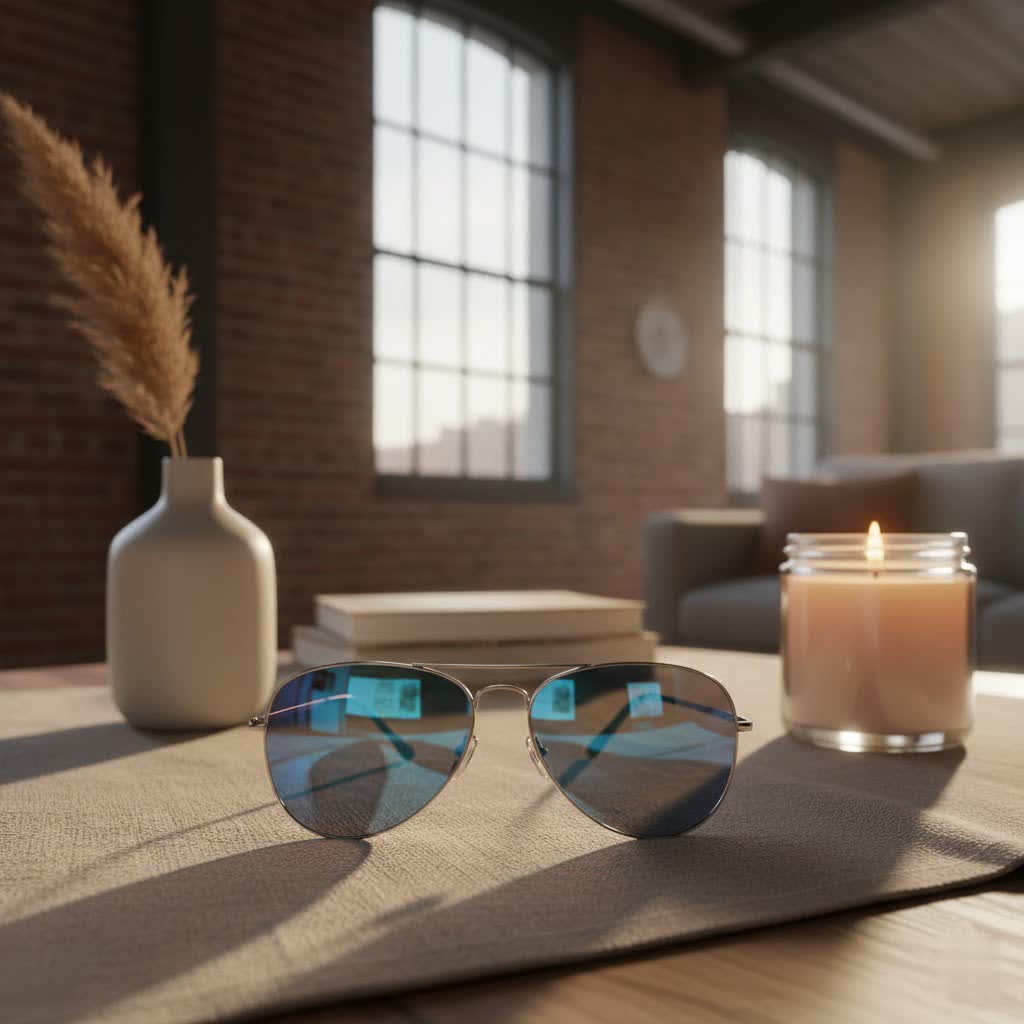
Polarized Sunglasses: A Vision Revolution
What Are Polarized Sunglasses?
|
Our Picks for the Best Polarized Sunglasses in 2026
As an Amazon Associate I earn from qualifying purchases.
|
||
| Num | Product | Action |
|---|---|---|
| 1 | KALIYADI Polarized Sunglasses for Men, Lightweight Sun Glasses with UV Protection for Driving Fishing Golf |

|
| 2 | KALIYADI Polarized Sunglasses for Men, Lightweight Sun Glasses with UV Protection for Driving Fishing Golf |
|
| 3 | KALIYADI Polarized Sunglasses for Men, Lightweight Sun Glasses with UV Protection for Driving Fishing Golf |
|
| 4 | KALIYADI Polarized Sunglasses for Men, Lightweight Sun Glasses with UV Protection for Driving Fishing Golf |
|
| 5 | KALIYADI Polarized Sunglasses for Men, Lightweight Sun Glasses with UV Protection for Driving Fishing Golf |
|
| 6 | 3 Pack Polarized Sports Sunglasses for Men, Mens Sunglasses Wrap Around UV Protection for Cycling Fishing Driving |
|
| 7 | 3 Pack Polarized Sports Sunglasses for Men, Mens Sunglasses Wrap Around UV Protection for Cycling Fishing Driving |
|
| 8 | KALIYADI Polarized Sunglasses for Men, Lightweight Sun Glasses with UV Protection for Driving Fishing Golf |
|
| 9 | 3 Pack Polarized Sports Sunglasses for Men, Mens Sunglasses Wrap Around UV Protection for Cycling Fishing Driving |
|
| 10 | 3 Pack Polarized Sports Sunglasses for Men, Mens Sunglasses Wrap Around UV Protection for Cycling Fishing Driving |
|
Polarized sunglasses are engineered with a specialized filter embedded within the lens material that selectively blocks horizontal light waves. When sunlight reflects off flat surfaces like water, snow, or a wet road, it creates intense horizontal glare that can be blinding and distort vision. This unique filter acts like tiny Venetian blinds, allowing only vertical light to pass through while effectively eliminating the disruptive horizontal glare. This isn’t just about darkening your view; it’s about refining it.
The fundamental difference between polarized and regular tinted sunglasses lies in this glare-eliminating technology. Tinted lenses merely reduce the overall brightness, much like drawing a sheer curtain across a window. Polarized lenses, however, actively cancel out specific light waves, providing a truly glare-free experience while preserving natural colors and contrasts. They are a popular choice for anyone seeking improved visual comfort and safety in bright environments, especially outdoors.
Benefits of Polarized Lenses
The advantages of polarized lenses extend far beyond simple comfort. They offer a transformative visual experience that can significantly enhance safety and enjoyment in various situations.
Firstly, their primary benefit is the dramatic reduction and elimination of glare. This makes driving safer by cutting reflections off car hoods and wet roads, and it’s invaluable for water sports enthusiasts, like fishermen and boaters, who need to see below the surface of the water without obstruction.
Secondly, polarized lenses enhance visual clarity and contrast, allowing you to discern details with greater precision. Colors appear richer and more vibrant, and the perception of depth is improved, which is critical for activities such as golfing or hiking. This clear, undistorted vision can make the world appear more vivid and enjoyable.
Furthermore, by constantly fighting glare, your eyes undergo significant strain, leading to fatigue, headaches, and discomfort. Polarized lenses reduce eye strain and fatigue, allowing your eyes to remain more relaxed and comfortable for extended periods in bright conditions. This means you can spend more time outdoors without feeling the usual strain.
Lastly, while polarization itself doesn’t guarantee UV protection, virtually all high-quality polarized sunglasses come with 100% protection against harmful UVA and UVB rays. This dual protection ensures your eyes are safeguarded from both uncomfortable glare and damaging ultraviolet radiation, preventing long-term eye health issues.
The Distinct Advantage: Glass Lens Polarized Sunglasses
While the benefits of polarization are clear, the choice of lens material further refines the visual experience. Glass lenses, though less common in today’s plastic-dominated market, offer a traditional appeal backed by undeniable optical superiority, especially when paired with polarization.
Why Choose Glass Lenses for Polarization?
Choosing glass lenses for your polarized sunglasses comes with several distinct advantages, primarily centered around visual performance and durability. Many eyewear enthusiasts consider glass to be the gold standard for lens material due to its inherent qualities.
The most significant benefit is unmatched optical clarity and distortion-free vision. Glass provides superior optical purity, offering the sharpest possible view of the world without any optical imperfections common in other materials. This means colors are rendered with exceptional accuracy, and images are crisp, precise, and true to life. For activities where visual precision is paramount, such as flying, driving, or competitive angling, glass lenses deliver an uncompromised viewing experience.
Another standout feature of glass lenses is their superior scratch resistance. Glass is inherently much harder and more resilient than plastic or polycarbonate, making it exceptionally resistant to everyday scratches and abrasions. This durability means your lenses will maintain their pristine clarity longer, even with regular use and exposure to harsh environments, extending the lifespan and aesthetic appeal of your sunglasses.
While modern manufacturing has improved the durability of other materials, glass lenses also boast a certain enduring quality and resistance to environmental conditions. They are less susceptible to changes from heat or chemical exposure over time, ensuring stable optical performance for years. Many users also appreciate the substantial feel and premium quality associated with true glass lenses.
Potential Drawbacks of Glass Lenses
Despite their superior optical qualities, glass lens polarized sunglasses do come with certain trade-offs that are important to consider before making a purchase. Understanding these disadvantages ensures you choose the right eyewear for your specific needs and lifestyle.
The most commonly cited drawback of glass lenses is their weight. Glass is denser than plastic or polycarbonate, meaning glass lenses can feel noticeably heavier on your face, especially during prolonged wear. While some brands have developed “Super Thin Glass” technologies to mitigate this, they generally remain heavier than their plastic counterparts. This added weight might be a comfort concern for some users, particularly those with sensitive noses or who plan to wear their sunglasses for extended periods.
Another significant consideration is impact resistance. Unlike polycarbonate, which is virtually shatterproof and highly impact-resistant, glass lenses are more prone to cracking or shattering upon impact. This makes them less suitable for high-impact sports, construction work, or for children, where accidental drops or blows are common. If safety and extreme durability against breakage are your top priorities, glass might not be the ideal choice.
Finally, glass lens polarized sunglasses typically come with a higher price tag. The manufacturing process for optical-grade glass lenses, combined with the precision required to embed a polarized filter, is more intricate and costly. While the investment often pays off in terms of clarity and scratch resistance, it’s a factor that can deter budget-conscious buyers.
Glass vs. Other Lens Materials: A Head-to-Head Comparison
The world of sunglass lenses offers a variety of materials, each with unique characteristics impacting performance, durability, and cost. Understanding these differences, especially in relation to polarized glass, is crucial for making an informed decision.
Understanding Lens Materials
Beyond glass, the two most common materials for sunglass lenses are polycarbonate and CR-39 (Columbia Resin 39), which is a type of plastic. These materials were developed to address some of the shortcomings of traditional glass, primarily weight and impact resistance.
Polycarbonate lenses are a popular choice for active individuals due to their exceptional impact resistance and lightweight nature. Originally developed for aerospace applications, they are virtually shatterproof and block 100% of UV rays naturally. However, their optical clarity is generally considered lower than glass or CR-39, and they are quite soft, making them prone to scratches without a proper coating.
CR-39 lenses, often simply referred to as plastic lenses, struck a balance between optical quality and weight when they were introduced. They offer good optical clarity, superior to polycarbonate, and are lighter than glass. While more scratch-resistant than polycarbonate, they are not as impact-resistant as polycarbonate and typically require an added UV coating.
Comparative Analysis Table
To provide a clear overview, here’s a detailed comparison of glass, polycarbonate, and CR-39 lenses across key performance criteria:
| Feature | Glass Lenses | Polycarbonate Lenses | CR-39 Lenses (Plastic) |
|---|---|---|---|
| Optical Clarity | Highest (unmatched, superior visual acuity) | Lowest (can have more distortion) | Good (superior to polycarbonate) |
| Impact Resistance | Low (most prone to shattering) | Highest (virtually shatterproof) | Moderate (more prone to cracking than poly) |
| Scratch Resistance | Highest (exceptionally durable) | Low (requires hard coating) | Good (better than poly, can resist scratches) |
| Weight | Heaviest (can be “Super Thin” for reduction) | Lightweight | Moderate (lighter than glass, heavier than poly) |
| UV Protection | 100% UV (often inherent with quality) | 100% UV (inherent) | Often requires added UV coating |
| Cost | Highest (premium material) | Mid-range (more affordable than glass) | Lowest (most economical choice) |
This table highlights the trade-offs: while glass excels in clarity and scratch resistance, it compromises on weight and impact resistance. Polycarbonate prioritizes safety and lightness, and CR-39 offers a cost-effective balance.
Choosing Your Perfect Pair: A Buying Guide for Glass Lens Polarized Sunglasses
Selecting the right pair of glass lens polarized sunglasses involves more than just picking a stylish frame. It’s about matching specific features to your individual needs and ensuring optimal performance and comfort.
Key Factors to Consider When Buying
When investing in premium eyewear, several elements should guide your decision-making process:
Your intended use is paramount. Will you be using them primarily for driving, fishing, sports, or casual wear? For water-based activities or driving, the glare reduction of polarized glass is invaluable. If impact resistance is a concern, such as for vigorous sports, you might need to weigh the clarity of glass against the safety of polycarbonate.
Frame fit and style are crucial for both aesthetics and comfort. A well-fitting frame ensures the lenses are properly positioned, maximizing the benefits of polarization and UV protection. Consider factors like nose pads, temple arms, and overall frame weight to ensure all-day comfort. The style should complement your face shape and personal fashion.
Investigate lens coatings as they can significantly enhance performance. An anti-reflective (AR) coating on the backside of the lens can prevent light from reflecting into your eyes from behind, reducing distractions. Mirror coatings on the front can further reduce glare and add a stylish touch, though they don’t impact optical clarity as much as the polarization itself.
Finally, your budget will naturally play a role. Glass lens polarized sunglasses are a premium product, and prices can vary significantly between brands and features. While they represent an investment, the long-term benefits of superior clarity and scratch resistance often justify the cost for many users.
Tips for Making an Informed Decision
To ensure you make the best choice, follow these practical tips when shopping for your new glass lens polarized sunglasses:
Always try glasses on before buying. Assess how they feel on your face, checking for any pressure points on your nose or behind your ears. Ensure they provide adequate coverage to protect your eyes from all angles, not just direct sunlight. A comfortable fit is essential for sustained wear.
It’s critical to verify UV protection. While most quality polarized lenses offer 100% UV blocking, always double-check the product specifications or labeling. Polarization and UV protection are distinct features; you need both for comprehensive eye safety. Many optometrists can test your sunglasses for their UV-blocking capabilities.
When in doubt, seek the advice of a specialist. An experienced optician or eyewear professional can offer personalized recommendations based on your prescription (if applicable), lifestyle, and specific visual needs. They can also explain the nuances of different lens materials and coatings in detail, helping you understand which options will best serve you.
“The true magic of glass polarized lenses isn’t just seeing clearly, it’s experiencing the world in its most vibrant, unadulterated form, free from the visual noise of glare.” – Dr. Eleanor Vance, Ophthalmic Optician
Leading Brands in Glass Lens Polarized Eyewear
The market for glass lens polarized sunglasses is dominated by several reputable brands known for their commitment to optical excellence and innovative technologies. Each offers a unique blend of style, performance, and durability.
Top Manufacturers and Their Offerings
Ray-Ban, a household name in eyewear, offers iconic styles like the Aviator Classic with high-quality glass lenses. Their glass polarized options combine timeless design with excellent visual acuity and superior scratch resistance, making them a popular choice for those who value both heritage and performance.
Serengeti is renowned for its high-performance, photochromic glass lenses that adapt to changing light conditions, ensuring optimal visual acuity from dawn till dusk. Many of their glass lenses are notably lighter than industry standards and feature Spectral Control technology, which fine-tunes light waves for exceptional color and contrast enhancement.
Maui Jim is synonymous with premium polarized sunglasses, celebrated for their proprietary PolarizedPlus2 lens technology. Many of their top models incorporate “Super Thin Glass” lenses, which deliver unparalleled clarity and scratch resistance while minimizing weight. Their technology excels at eliminating glare and enhancing color and contrast, particularly beneficial for beachgoers and water sports enthusiasts.
Costa Del Mar is a favorite among anglers and boaters, primarily known for its advanced 580G (glass) lens technology. These lenses filter out specific yellow and harsh light, enhancing reds, blues, and greens for superior color and contrast, making them exceptional for spotting fish or navigating waterways.
Other notable brands include Persol, acclaimed for its handcrafted frames and “crystal lenses” (glass) that offer exceptional clarity and vintage appeal, and Randolph Engineering, which produces military-spec aviator sunglasses with durable glass lenses, prized for their robustness and optical precision. Otis Optics also specializes in 100% mineral glass lenses across their entire range.
What Sets Them Apart
What truly differentiates these brands are their unique approaches to lens technology, frame design, and overall brand philosophy. Ray-Ban often focuses on classic, enduring styles with reliable glass quality. Serengeti excels with its photochromic and spectral control innovations, ideal for variable light. Maui Jim distinguishes itself with lightweight glass and advanced color enhancement for vibrant outdoor experiences. Costa Del Mar is purpose-built for marine environments, prioritizing clarity and glare reduction on the water.
Ultimately, each brand brings its expertise to the table, offering distinct features from specialized lens tints (e.g., Costa’s 580G) to ergonomic frame designs and proprietary coatings. Exploring these variations allows you to find a brand that not only offers superior glass lens polarization but also aligns perfectly with your specific aesthetic preferences and lifestyle demands.
Conclusion
Glass lens polarized sunglasses offer an unparalleled visual experience, combining the pristine clarity and exceptional scratch resistance of glass with the advanced glare-eliminating power of polarization. While they may come with a higher price point and a slightly increased weight compared to their plastic counterparts, the benefits of crisp, vibrant vision and long-lasting durability are undeniable. From enhanced safety on the road to improved performance in outdoor sports, these premium sunglasses elevate how you see and interact with the world around you.
When choosing your next pair of glass lens polarized sunglasses, consider your primary activities, desired level of comfort, and the reputations of leading brands like Ray-Ban, Serengeti, Maui Jim, and Costa Del Mar. Investing in quality eyewear means investing in your eye health and visual enjoyment. Are you ready to discover the world in crystal clear, glare-free detail?
Frequently Asked Questions
Are glass polarized lenses heavier than plastic?
Yes, generally, glass lenses are denser and therefore heavier than plastic (CR-39) or polycarbonate lenses. However, some premium brands offer “Super Thin Glass” options that significantly reduce the weight, making them more comfortable for extended wear without sacrificing optical clarity.
Do glass polarized lenses scratch easily?
No, quite the opposite. Glass is significantly harder than plastic or polycarbonate, making glass lenses exceptionally resistant to scratches and abrasions. This superior scratch resistance helps maintain pristine clarity over the lifespan of the sunglasses, offering long-term visual performance.
Are glass polarized sunglasses better for driving?
Glass polarized sunglasses are excellent for daytime driving as they effectively eliminate glare from roads, windshields, and other reflective surfaces, dramatically improving visibility and reducing eye strain. However, they can make it difficult to view LCD screens, such as car dashboards or GPS devices, due to the polarization filter.
What are the best brands for glass polarized lenses?
Several top brands are renowned for their high-quality glass polarized lenses, including Ray-Ban, Serengeti, Maui Jim, Costa Del Mar, Randolph Engineering, Persol, and Otis Optics. Each brand offers unique lens technologies, tints, and frame styles to suit diverse preferences and specific use cases.
Can I get prescription glass polarized sunglasses?
Yes, you can absolutely get prescription glass polarized sunglasses. In fact, many people with prescriptions prefer glass lenses due to their superior optical clarity, which can provide sharper vision than other lens materials. Most optical shops can fit glass polarized prescription lenses into a wide range of frames.
