Are you tired of squinting on sunny days, battling relentless glare that obscures your view and strains your eyes? Imagine a world where reflections disappear, colors pop with vibrant clarity, and your eyes feel relaxed even under the brightest sun. This is the promise of polarized sunglasses, and finding the right pair near you can transform your outdoor experiences. This comprehensive guide will help you understand polarized lenses, explore their benefits, and navigate the best ways to find your ideal pair at local retailers, ensuring you make an informed choice that suits your style and needs.
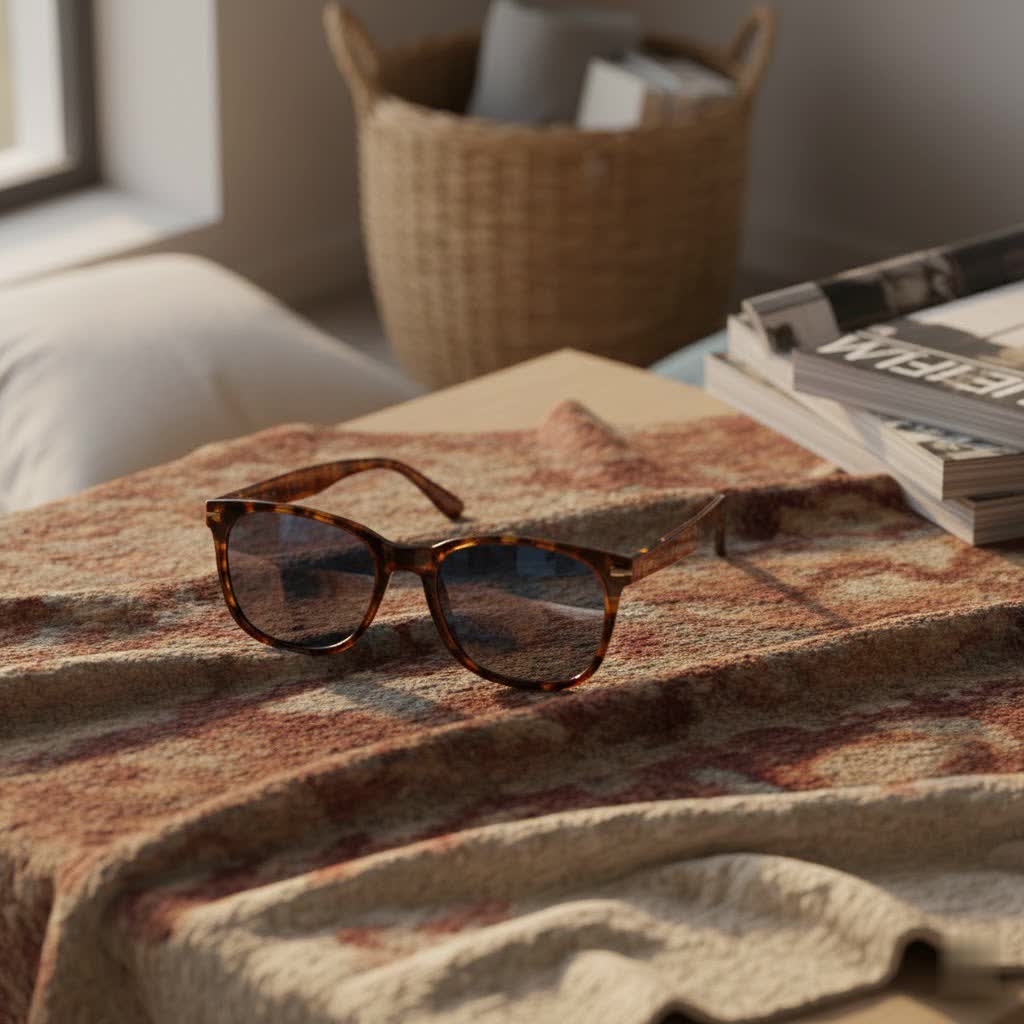
Polarized Sunglasses – An Overview
What Are Polarized Sunglasses?
|
Our Picks for the Best Polarized Sunglasses in 2026
As an Amazon Associate I earn from qualifying purchases.
|
||
| Num | Product | Action |
|---|---|---|
| 1 | 3 Pack Polarized Sports Sunglasses for Men, Mens Sunglasses Wrap Around UV Protection for Cycling Fishing Driving |

|
| 2 | 3 Pack Polarized Sports Sunglasses for Men, Mens Sunglasses Wrap Around UV Protection for Cycling Fishing Driving |
|
| 3 | KALIYADI Polarized Sunglasses for Men, Lightweight Sun Glasses with UV Protection for Driving Fishing Golf |
|
| 4 | 3 Pack Polarized Sports Sunglasses for Men, Mens Sunglasses Wrap Around UV Protection for Cycling Fishing Driving |
|
| 5 | KALIYADI Polarized Sunglasses for Men, Lightweight Sun Glasses with UV Protection for Driving Fishing Golf |
|
| 6 | 3 Pack Polarized Sports Sunglasses for Men, Mens Sunglasses Wrap Around UV Protection for Cycling Fishing Driving |
|
| 7 | KALIYADI Polarized Sunglasses for Men, Lightweight Sun Glasses with UV Protection for Driving Fishing Golf |
|
| 8 | KALIYADI Polarized Sunglasses for Men, Lightweight Sun Glasses with UV Protection for Driving Fishing Golf |
|
| 9 | KALIYADI Polarized Sunglasses for Men, Lightweight Sun Glasses with UV Protection for Driving Fishing Golf |
|
| 10 | KALIYADI Polarized Sunglasses for Men, Lightweight Sun Glasses with UV Protection for Driving Fishing Golf |
|
Polarized sunglasses feature a specialized lens technology designed to reduce glare from reflective surfaces like water, snow, roads, and car windows. When light reflects off a flat surface, it often becomes horizontally polarized, creating intense, blinding glare. A polarized lens contains a unique chemical filter, typically a vertical striping pattern, that acts like a microscopic Venetian blind. This filter effectively blocks these horizontal light waves while allowing vertical light to pass through, significantly cutting down on glare. This process is what distinguishes them from regular tinted sunglasses.
The fundamental difference between polarized and standard sunglasses lies in their ability to manage glare. Regular tinted sunglasses merely darken your field of vision, reducing overall light intensity, but they do not eliminate glare. This means you might still experience discomfort and visual distortion from harsh reflections. Polarized lenses go a step further, specifically targeting and neutralizing the bothersome horizontal glare, offering superior visual comfort and clarity.
Benefits of Polarized Sunglasses
The advantages of choosing polarized sunglasses extend far beyond simple glare reduction, enhancing your vision and protecting your eyes in multiple ways.
- Reduced Glare and Eye Strain: The primary benefit is the elimination of harsh glare, which can cause significant eye strain, headaches, and fatigue. By blocking reflected light, polarized lenses allow your eyes to relax, making long periods in bright environments much more comfortable.
- Increased Contrast and Clarity: Beyond glare reduction, polarized lenses enhance visual contrast and sharpen details. This means colors appear more vibrant and true, and you can see objects with greater definition. For activities like fishing, this can mean the difference between seeing a fish beneath the water’s surface or missing it entirely.
- Superior UV Protection: While not exclusive to polarized lenses, nearly all quality polarized sunglasses offer 100% protection against harmful UVA and UVB rays. This is crucial for preventing long-term eye damage, including cataracts and macular degeneration.
- Ideal for Outdoor Activities: Polarized sunglasses are particularly advantageous for specific outdoor pursuits. Drivers experience less glare from wet roads and oncoming headlights. Boaters and fishermen benefit from clearer views into the water. Skiers, while needing to be mindful of ice patches, often find relief from intense snow glare. Even everyday activities like hiking, cycling, and simply enjoying a walk become more visually comfortable and enjoyable.
Types of Polarized Sunglasses
Understanding the different types of polarized sunglasses can help you narrow down your choices when searching for a pair near you.
Classification by Intended Use
Different activities call for different features in polarized sunglasses, from lens color to frame design.
- Polarized Sunglasses for Driving: These lenses reduce glare from dashboards, road surfaces, and other vehicles, improving visibility and reaction time, especially in bright or wet conditions. Amber or brown tints often enhance contrast for driving.
- Polarized Sunglasses for Fishing: Essential for anglers, these lenses cut through water glare, allowing you to see deeper into the water to spot fish or underwater structures. Grey, green, or blue mirror lenses are popular choices, with blue mirrors being excellent for open water.
- Polarized Sunglasses for Sports: Designed for active wearers, sports polarized sunglasses often feature wrap-around frames for maximum coverage, impact-resistant lens materials, and secure fits to prevent slippage during movement. Specific lens tints can optimize vision for various sports like golf or cycling.
- Fashion Polarized Sunglasses: Combining the functional benefits of polarization with stylish designs, these sunglasses come in a wide array of frame shapes, colors, and sizes, ensuring you can protect your eyes without compromising your personal style.
Classification by Lens Material
The material of the lens significantly impacts the sunglasses’ durability, weight, and optical clarity.
- Glass Lenses: Known for superior optical clarity and scratch resistance, glass lenses offer exceptional vision. However, they are generally heavier and more prone to shattering upon impact, making them less ideal for high-impact sports.
- Polycarbonate Lenses: A popular choice for sports and active lifestyles, polycarbonate lenses are highly impact-resistant, lightweight, and offer good optical clarity. They are less scratch-resistant than glass but are a safer option due to their shatterproof nature.
- CR-39 Lenses: Also known as plastic lenses, CR-39 offers a good balance of clarity, weight, and scratch resistance, often providing better optics than polycarbonate but not quite matching glass. They are a common choice for everyday fashion sunglasses.
Comparison Table: Popular Polarized Lens Materials
Choosing the right lens material depends on your priorities for durability, clarity, and safety. Here’s a brief comparison:
| Feature | Glass Lenses | Polycarbonate Lenses | CR-39 Lenses |
|---|---|---|---|
| Optical Clarity | Excellent, minimal distortion | Good, slight distortion possible | Very good, generally better than polycarbonate |
| Impact Resistance | Low, prone to shattering | Excellent, highly shatterproof | Good, less impact-resistant than polycarbonate |
| Scratch Resistance | Excellent | Moderate, often requires scratch-resistant coating | Good, often requires scratch-resistant coating |
| Weight | Heaviest | Lightest | Moderate |
| UV Protection | Excellent (often inherent or added coating) | Excellent (inherent, can be enhanced with coating) | Excellent (inherent, can be enhanced with coating) |
| Cost | Higher | Moderate | Moderate |
| Best For | Everyday wear, driving, luxury eyewear | Sports, active lifestyles, children, safety eyewear | Everyday wear, fashion, general outdoor use |
Buying Guide: How to Find Polarized Sunglasses Near You
Finding the perfect pair of polarized sunglasses locally involves more than just picking the first stylish pair you see. A thoughtful approach ensures you get the right blend of function, fit, and fashion.
Key Factors to Consider When Buying Locally
When you shop in person, you have the unique advantage of trying on different styles and getting immediate feedback.
- Purpose of Use: Begin by considering your primary activities. Are these for daily driving, intense fishing trips, or just casual wear? Your use case will heavily influence the ideal lens color, material, and frame style. For example, a fisherman might prioritize glare reduction over water for seeing fish, while a driver might seek enhanced contrast for road conditions.
- Lens Material and Color: Refer to the comparison table above to decide which material best suits your needs for durability, clarity, and weight. Lens color also plays a crucial role:
- Grey: Provides true color perception, excellent for general use.
- Brown/Amber: Enhances contrast, great for driving, golf, and shallow water fishing.
- Green: Also good for contrast and works well in varying light conditions.
- Mirror Coatings (Blue, Red, Silver): Primarily for aesthetics, but can offer additional glare protection and reduce visible light transmission, popular for intense sun and water sports.
- Frame Style and Fit: Trying on sunglasses is essential. The frame should feel comfortable, not pinch your temples or slide down your nose. Look for styles that complement your face shape and provide adequate coverage to block light from the sides. Wraparound styles offer maximum protection for sports, while classic aviators or wayfarers provide timeless fashion.
- Brand and Budget: Major brands like Ray-Ban, Oakley, Maui Jim, and Costa Del Mar are renowned for their quality polarized lenses and diverse styles, often available at optical stores and sporting goods retailers. However, many reputable stores also offer excellent house brands or more affordable options that still provide effective polarization and UV protection. Set a budget, but prioritize quality for eye health.
Tips for Choosing the Right Pair In-Store
Leverage the in-store experience to your advantage to ensure you’re making the best purchase.
- Perform a Polarization Test: Most stores will have a polarization test card or a digital screen display. When looking at the test, if the image or text appears only when wearing the sunglasses, they are polarized. You can also test them by looking through the lenses at a car window or phone screen, then tilting the sunglasses 90 degrees. If the polarized effect is present, you’ll notice a significant change in glare or a darkening effect.
- Verify UV Protection: Always look for labels indicating “UV400” or “100% UV Protection.” This ensures the lenses block nearly all harmful UVA and UVB rays, regardless of polarization. Don’t assume that dark lenses automatically mean high UV protection.
- Assess Comfort and Fit: Wear the sunglasses for a few minutes. Check that they don’t exert pressure behind your ears or on your nose. Shake your head gently to see if they slip. A comfortable fit is paramount for long-term wear.
- Seek Expert Advice: Don’t hesitate to ask store staff for recommendations. They can offer insights into different brands, lens technologies, and frame styles that might suit your specific needs and face shape.
- Explore Local Retailers:
- Optical Stores: Places like LensCrafters and local opticians offer a wide selection, often including prescription polarized options, and expert fitting services.
- Sporting Goods Stores: Retailers like DICK’S Sporting Goods are excellent for performance-oriented polarized sunglasses from brands popular with athletes and outdoor enthusiasts.
- Department Stores & Big Box Retailers: Target and Costco often carry popular brands at competitive prices, providing convenient options for a quick purchase.
- Sunglass Specialty Stores: Sunglass Hut offers a vast array of fashion and performance brands, making it easy to compare many styles in one location.
Top Polarized Sunglasses Brands Available Near You
When seeking polarized sunglasses, several brands consistently stand out for their quality, technology, and style. Many of these are readily available in physical stores, allowing you to try them on and experience their clarity firsthand.
- Ray-Ban: An iconic brand, Ray-Ban offers classic styles like the Aviator and Wayfarer with excellent polarized lens options, perfect for both fashion and everyday use. They are widely available at optical shops, department stores, and Sunglass Hut.
- Oakley: Renowned for their sports performance eyewear, Oakley polarized sunglasses feature advanced lens technologies like Prizm, designed to enhance color, contrast, and detail. You’ll find Oakley at sporting goods stores and many optical retailers.
- Maui Jim: Specializing in polarized lenses, Maui Jim is famous for its exceptional clarity, vibrant color enhancement, and advanced glare reduction technology, often with stylish designs. They are commonly found in high-end optical stores and Sunglass Hut.
- Costa Del Mar: A favorite among anglers and water sports enthusiasts, Costa Del Mar offers highly specialized polarized lenses designed to cut glare on the water and enhance vision for fishing and boating. Their products are widely available at sporting goods stores and specialty eyewear shops.
- Shady Rays: Known for their adventurous spirit and lost-and-broken replacement program, Shady Rays offers a range of polarized sunglasses with a focus on durability and customer satisfaction, with some physical store locations in select states.
Each brand offers a unique blend of style, lens technology, and features, catering to different preferences and activities. Trying them on in person will give you the best sense of their quality and how they perform.
Conclusion
Embracing polarized sunglasses is a simple yet powerful step towards enhancing your visual comfort, protecting your eye health, and enriching your experiences under the sun. From eliminating blinding glare to sharpening your view of the world, their benefits are undeniable for drivers, outdoor adventurers, and anyone seeking superior clarity. By understanding how these specialized lenses work, considering your specific needs, and leveraging the ability to try them on at a local retailer, you can confidently choose a pair that offers the perfect blend of performance, fit, and style. So, step into a local store today, perform the polarization test, and find the perfect pair of polarized sunglasses near you to see the world in a whole new light.
Ready to see the difference? What adventure will your new polarized sunglasses take you on first?
Frequently Asked Questions
Are polarized sunglasses worth the extra cost?
Yes, for most people, polarized sunglasses are well worth the investment. The ability to eliminate glare from reflective surfaces significantly reduces eye strain, improves visual comfort, and enhances clarity, particularly during activities like driving, fishing, and boating, offering a superior experience compared to non-polarized options.
How can I test if sunglasses are truly polarized when buying them?
You can perform a simple test by looking at a reflective surface, such as a car window, a digital screen (like a phone or ATM), or a body of water, through the lenses. Then, rotate the sunglasses 90 degrees. If the glare significantly diminishes or disappears entirely, or if the screen appears to darken, the lenses are polarized.
Can I get polarized prescription sunglasses?
Absolutely. Many optical stores and online retailers offer prescription polarized lenses. This allows individuals who require vision correction to enjoy the full benefits of polarized sunglasses without needing to wear contacts or layer glasses. Consult with your optometrist or eyewear specialist for the best options.
Are there any downsides to wearing polarized sunglasses?
While generally beneficial, polarized lenses can make it difficult to view certain LCD screens (like car dashboards, phone screens, or ATMs) as they may appear dimmed or blacked out. They are also sometimes not recommended for skiing, as the glare reduction can obscure icy patches, which might be a safety concern.
What lens color is best for polarized sunglasses?
The “best” lens color depends on your primary activity and light conditions. Grey lenses offer true color perception and are great for general use. Brown and amber lenses enhance contrast, making them ideal for driving, golfing, and certain fishing conditions. Green lenses balance true color and contrast, performing well in varying light.
