Do you often find yourself squinting against blinding reflections from water, snow, or the road, even on a seemingly bright day? Glare isn’t just annoying; it can obscure your vision, strain your eyes, and even pose safety risks during everyday activities. The solution lies in a specialized piece of eyewear engineered to combat this very challenge: polarized sunglasses. Far more than just tinted lenses, polarized sunglasses incorporate advanced technology to filter out harsh glare, offering unparalleled visual clarity and comfort for anyone who spends time outdoors. This comprehensive guide will delve into everything you need to know about polarized sunglasses, from how they work to choosing the perfect pair to enhance your vision and protect your eyes.
Understanding Polarized Sunglasses
What Are Polarized Sunglasses?
|
Our Picks for the Best Polarized Sunglasses in 2026
As an Amazon Associate I earn from qualifying purchases.
|
||
| Num | Product | Action |
|---|---|---|
| 1 | 3 Pack Polarized Sports Sunglasses for Men, Mens Sunglasses Wrap Around UV Protection for Cycling Fishing Driving |

|
| 2 | 3 Pack Polarized Sports Sunglasses for Men, Mens Sunglasses Wrap Around UV Protection for Cycling Fishing Driving |
|
| 3 | KALIYADI Polarized Sunglasses for Men, Lightweight Sun Glasses with UV Protection for Driving Fishing Golf |
|
| 4 | KALIYADI Polarized Sunglasses for Men, Lightweight Sun Glasses with UV Protection for Driving Fishing Golf |
|
| 5 | KALIYADI Polarized Sunglasses for Men, Lightweight Sun Glasses with UV Protection for Driving Fishing Golf |
|
| 6 | KALIYADI Polarized Sunglasses for Men, Lightweight Sun Glasses with UV Protection for Driving Fishing Golf |
|
| 7 | KALIYADI Polarized Sunglasses for Men, Lightweight Sun Glasses with UV Protection for Driving Fishing Golf |
|
| 8 | 3 Pack Polarized Sports Sunglasses for Men, Mens Sunglasses Wrap Around UV Protection for Cycling Fishing Driving |
|
| 9 | 3 Pack Polarized Sports Sunglasses for Men, Mens Sunglasses Wrap Around UV Protection for Cycling Fishing Driving |
|
| 10 | KALIYADI Polarized Sunglasses for Men, Lightweight Sun Glasses with UV Protection for Driving Fishing Golf |
|
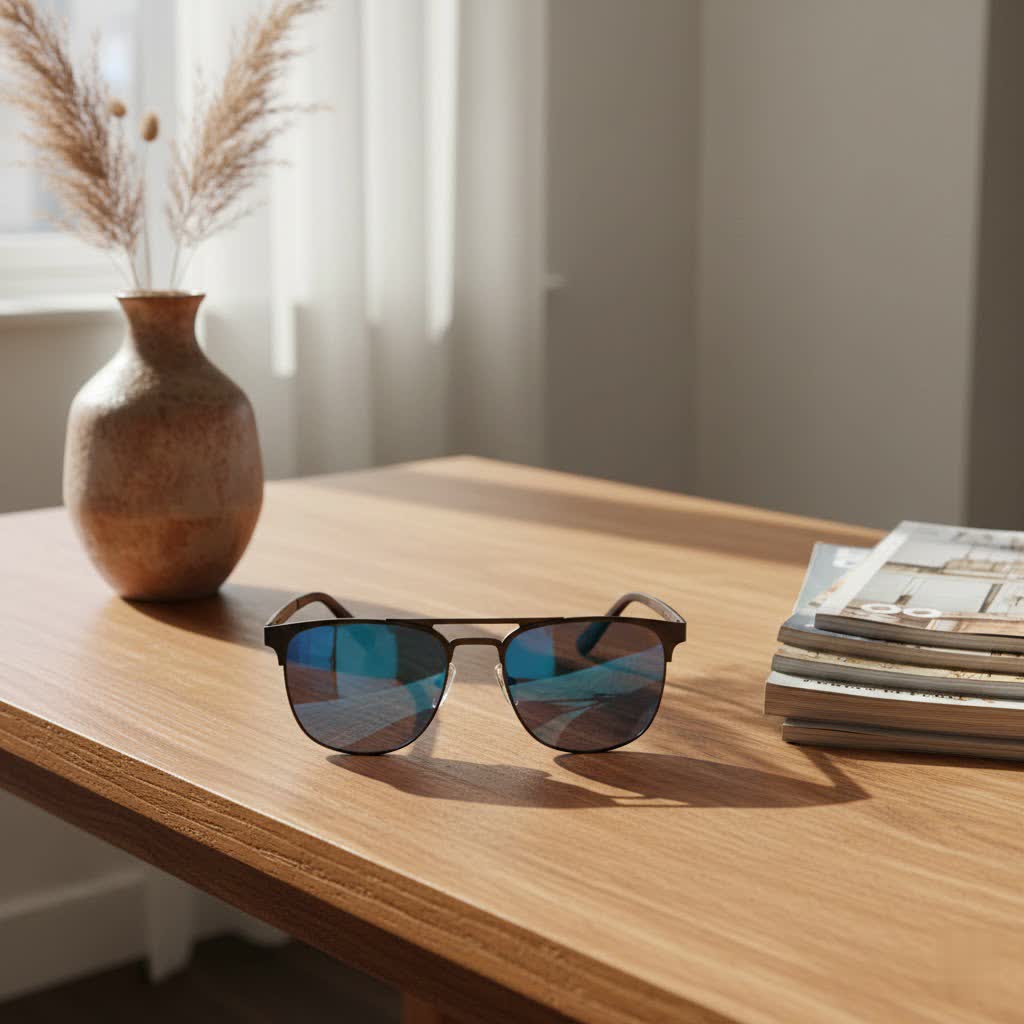
Polarized sunglasses feature a unique chemical filter that is laminated either onto or within the lenses. This filter is designed to block specific types of light waves. Sunlight naturally scatters in all directions, but when it reflects off flat surfaces like water, snow, or a car hood, it becomes “polarized.” This means the light waves align predominantly in a horizontal direction, creating intense, often blinding glare. The special filter in polarized lenses acts like a microscopic Venetian blind, with vertical openings that only allow vertically oriented light waves to pass through. By effectively blocking the horizontal glare, these lenses dramatically reduce reflections, offering a clearer, more comfortable view of your surroundings. It’s important to note that while many polarized sunglasses also offer UV protection, polarization itself is a glare-reducing technology and not inherently a UV block. Always check for explicit UV protection ratings.
The Unmatched Benefits of Polarized Lenses
The advantages of choosing polarized sunglasses extend far beyond simple glare reduction, providing a superior visual experience in various environments.
- Glare Reduction & Enhanced Clarity: The most significant benefit of polarized lenses is their ability to virtually eliminate disruptive glare from reflective surfaces. This results in dramatically improved visual clarity, allowing you to see objects with crispness and detail that non-polarized lenses simply can’t match.
- Improved Contrast & True Color Perception: By cutting through haze and glare, polarized lenses enhance contrast, making colors appear more vibrant and natural. This heightened perception helps distinguish details, whether you’re navigating a trail or observing underwater features.
- Superior UV Protection: While polarization doesn’t automatically mean UV protection, most high-quality polarized sunglasses are designed to block 100% of harmful UVA and UVB rays, often indicated as UV400 protection. This shields your eyes from the damaging effects of sun exposure, preventing conditions like cataracts and macular degeneration.
- Reduced Eye Strain & Fatigue: Constant squinting in bright, glary conditions can lead to significant eye strain, headaches, and overall fatigue. Polarized lenses alleviate this by providing a more comfortable and relaxed visual experience, allowing your eyes to work less to see clearly.
- Enhanced Safety for Outdoor Activities: For drivers, athletes, and outdoor enthusiasts, improved visibility is a critical safety feature. Polarized lenses can help you spot road hazards, see obstacles in the water, or track fast-moving objects with greater precision, reducing the risk of accidents.
Exploring Types of Polarized Sunglasses
Polarized sunglasses are not one-size-fits-all; their design and lens characteristics can be tailored for optimal performance in specific settings.
Polarized Sunglasses for Specific Activities
The right pair of polarized sunglasses can significantly enhance performance and comfort depending on your activity.
- Driving: Polarized lenses are excellent for reducing glare from wet roads, car dashboards, and other vehicles, improving visibility and safety on sunny commutes. Neutral gray or brown tints are often recommended for driving as they provide true color perception and good contrast.
- Fishing & Water Sports: For anglers and water sports enthusiasts, polarized sunglasses are indispensable. They cut through the surface glare of water, allowing you to see beneath it, spot fish, underwater structures, or navigate waves with greater ease and precision. Lenses with blue mirror coatings over amber or gray bases are popular choices for open water.
- Snow Sports: Similar to water, snow is a highly reflective surface that produces intense glare. Polarized lenses reduce this glare, improving visibility and making it easier to distinguish contours and hazards on slopes.
- General Outdoor & Fashion: Beyond high-performance activities, polarized sunglasses are ideal for everyday outdoor use, from hiking and cycling to simply relaxing at the beach. They provide enhanced comfort and eye protection, while a wide array of stylish frames ensures you don’t have to compromise on fashion.
Popular Lens Materials
The material of your polarized lenses plays a crucial role in their performance, durability, and weight.
- Glass Lenses: Known for offering the highest optical clarity and exceptional scratch resistance, glass lenses provide the crispest vision. However, they are generally heavier than other materials and can shatter upon impact, making them less ideal for high-impact sports. Many serious anglers prefer glass for its superior clarity.
- Polycarbonate Lenses: Polycarbonate is a highly impact-resistant and lightweight material, often used in sports and safety eyewear. While not as optically precise as glass, high-quality polycarbonate lenses offer excellent clarity and are far less likely to shatter, making them a safe choice for active lifestyles. The polarizing film is typically sandwiched between layers of polycarbonate for durability.
- CR-39 Lenses: CR-39, a plastic polymer, strikes a good balance between optical clarity, weight, and scratch resistance. They offer better optical quality than polycarbonate and are lighter than glass, providing a comfortable option for general-purpose wear with good durability.
- TAC (Tri Acetate Cellulose) Lenses: TAC lenses are very lightweight and offer excellent polarization capabilities, making them a cost-effective option for reducing glare. They are more impact-resistant than glass but are generally less scratch-resistant and may have slightly lower optical quality compared to glass or CR-39. The polarizing film is often applied to the surface, which can be prone to scratching.
- Trivex & Polyamide: These advanced materials are similar to polycarbonate in their impact resistance and lightweight properties, but often boast superior optical clarity. Trivex is particularly noted for its combination of strength and visual performance, while polyamide (nylon) offers excellent durability and flexibility for various frame designs.
Comparing Polarized Lens Options
Choosing the right polarized lens involves understanding the trade-offs between different materials and their properties.
Key Comparison Criteria
When evaluating polarized lens materials, consider these essential factors:
- Lens Material: The core substance of the lens (Glass, Polycarbonate, CR-39, TAC).
- Glare Reduction: How effectively the lens blocks horizontal glare.
- UV Protection: Whether the lens offers 100% UVA/UVB protection (often integrated).
- Impact Resistance: The lens’s ability to withstand forceful impacts without shattering.
- Optical Clarity: The sharpness and distortion-free quality of the vision provided.
- Scratch Resistance: How well the lens surface resists scratches and abrasions.
- Weight: The overall lightness or heaviness of the lens material.
- Typical Price Range: General cost associated with lenses made from that material.
Detailed Comparison Table
| Feature | Glass Lenses | Polycarbonate Lenses | CR-39 Lenses | TAC (Tri Acetate Cellulose) Lenses |
|---|---|---|---|---|
| Glare Reduction | Excellent | Excellent | Excellent | Excellent |
| UV Protection | Excellent (with coatings) | Excellent (inherent + coatings) | Excellent (with coatings) | Good (with coatings) |
| Impact Resistance | Low (can shatter) | High (up to 10x plastic) | Medium (more than glass, less than PC) | Medium (more than glass, less than PC) |
| Optical Clarity | Superior | Very Good | Good to Very Good | Good |
| Scratch Resistance | Highest | Low to Medium (coatings are crucial) | Medium to High | Low (prone to scratching) |
| Weight | Heavy | Lightweight | Lightweight | Very Lightweight |
| Typical Use | Everyday, fishing (where impact isn’t risk) | Sports, safety, active lifestyle | Everyday, fashion | Budget-friendly, general outdoor |
Your Comprehensive Buying Guide to Polarized Sunglasses
Selecting the ideal pair of polarized sunglasses involves more than just picking a stylish frame. Consider these factors to ensure you find sunglasses that meet your needs.
Essential Factors to Consider
Making an informed choice requires attention to several key specifications.
- Intended Use: Your primary activities will dictate the best type of sunglasses. Are you driving daily, fishing in open water, participating in high-impact sports, or simply seeking comfortable everyday eyewear? Each scenario may benefit from different lens colors, materials, and frame designs.
- UV Protection Rating: This is non-negotiable. Always look for labels indicating 100% UVA and UVB protection, or UV400. Polarization is about glare, not UV rays, so verify this separately. Protecting your eyes from harmful UV radiation is crucial for long-term eye health.
- Lens Color & Tint: Different lens tints are optimized for various conditions. Gray offers true color perception and is great for bright, sunny days. Brown, amber, or copper tints enhance contrast and depth perception, ideal for variable light conditions, driving, or shallow water fishing. Green tints provide good contrast while maintaining color balance. Blue mirror coatings, often over gray or amber lenses, are excellent for bright, reflective environments like open water or snow.
- Frame Style & Fit: A comfortable and secure fit is essential, especially for active users. Wraparound frames offer maximum coverage, protecting against peripheral glare, wind, and debris. Consider adjustable nose pads and rubberized temple tips for a customized and slip-free fit. The frame should sit comfortably on your face without pressing on your cheeks or sliding down your nose.
- Optical Quality & Coatings: High-quality lenses should be free from distortion. Test this by looking at a straight line (like a door frame) through the lenses; it should remain straight. Look for additional coatings such as anti-scratch, anti-reflective (especially on the back of the lens to prevent light bouncing into your eyes), and hydrophobic/oleophobic coatings to repel water and smudges.
- Budget & Brand Reputation: While budget-friendly options exist, investing in reputable brands often ensures better quality, durability, and performance. Balance your budget with the features and quality you need for your primary use.
Expert Tips for Choosing Your Perfect Pair
To ensure you make the best choice, keep these tips in mind:
- Try Before You Buy: If possible, try on different styles and brands to assess comfort and fit. Pay attention to how the frames feel on your nose and behind your ears.
- Perform a Polarization Test: You can easily check if lenses are truly polarized. Hold them up to an LCD screen (like a smartphone or computer monitor) and slowly rotate them. If the screen darkens or turns black at certain angles, the lenses are polarized. Another method involves looking at a reflective surface like a car hood; if reflections significantly reduce, they are likely polarized.
- Consult with an Eye Care Professional: For specific vision needs or prescription polarized sunglasses, an optometrist can provide personalized recommendations and ensure proper fit and lens specifications.
Top Polarized Sunglasses Brands: A Curated Selection
Many brands stand out for their commitment to quality, innovation, and performance in polarized eyewear.
Leading Brands and Their Strengths
These brands consistently deliver exceptional polarized sunglasses for a variety of needs.
- Maui Jim: Renowned for their patented PolarizedPlus2® lens technology, Maui Jim sunglasses offer unparalleled optical clarity, vibrant color enhancement, and superior glare reduction. They are particularly favored for their ability to bring out natural colors and provide outstanding vision in bright conditions, making them ideal for everything from leisurely beach days to serious fishing.
- Costa Del Mar: Specializing in eyewear for water enthusiasts, Costa Del Mar is a top choice for fishing and boating. Their 580 lens technology filters specific yellow light, enhancing contrast and color saturation. Costa offers various lens colors and mirror options, specifically tuned for different water conditions (e.g., blue mirror for offshore, green mirror for inshore). Their frames are known for their durability and secure fit.
- Oakley: A leader in sports performance eyewear, Oakley utilizes its Prizm™ lens technology to fine-tune vision for specific sports and environments. Their polarized options significantly reduce glare while optimizing contrast and visibility, giving athletes a competitive edge. Oakley frames are celebrated for their durability, lightweight design, and secure fit, even during intense activity.
- Ray-Ban: An iconic brand, Ray-Ban offers a wide range of polarized options across its classic styles like the Wayfarer and Aviator. While celebrated for their timeless fashion appeal, their polarized lenses also deliver effective glare reduction and UV protection, making them a stylish choice for everyday wear and driving.
- Smith: With their proprietary Chromapop™ lens technology, Smith sunglasses are designed to enhance clarity and natural color, making details pop. Their polarized lenses are versatile and perform exceptionally well for a range of outdoor pursuits, including skiing, fishing, and hiking, providing both visual comfort and enhanced perception.
- Other Notable Brands: Brands like Wiley X offer high-impact protection with their polarized safety-rated eyewear, popular among motorcyclists and those in demanding environments. Bolle provides excellent sports performance with a focus on comfortable fit and specialized lens tints. Goodr has gained popularity for its affordable, lightweight, and polarized running sunglasses that don’t bounce.
Evaluating Brand Pros and Cons
When considering these top brands, a brief overview of their typical strengths helps in decision-making:
- Maui Jim: Pros: Exceptional clarity, vibrant colors, excellent glare reduction, durable. Cons: Higher price point.
- Costa Del Mar: Pros: Unmatched for water activities, durable frames, specialized lens options. Cons: Often designed for specific uses, may be less versatile for fashion.
- Oakley: Pros: Sport-specific lens technology, high durability, secure fit. Cons: Often a sportier aesthetic, higher price.
- Ray-Ban: Pros: Iconic style, timeless appeal, good everyday performance. Cons: May not offer the same level of specialized performance as sports-focused brands.
- Smith: Pros: Enhanced color and clarity, versatile for various activities, durable. Cons: Mid to high price range.
Ultimately, the best brand for you will depend on your specific needs, activities, and budget, with each offering a unique blend of performance and style.
Conclusion
Polarized sunglasses are more than a luxury; they are a vital tool for anyone seeking enhanced visual comfort, clarity, and protection in sun-drenched environments. By expertly filtering out harsh glare, these advanced lenses transform your outdoor experience, reducing eye strain and bringing the world into sharper focus. From safeguarding your eyes against harmful UV rays to enabling clearer vision for driving, fishing, and sports, the benefits are undeniable. When choosing your next pair, remember to prioritize certified UV protection, select a lens material and tint suited to your activities, and ensure a comfortable, secure fit. Invest wisely in a quality pair, and you’ll not only see the world more clearly but also protect your precious eyesight for years to come. Which adventure will you conquer next with your new polarized shades?
Frequently Asked Questions
Are polarized sunglasses the same as UV protection sunglasses?
No, polarized sunglasses are not the same as UV protection sunglasses, though most high-quality polarized lenses also include UV protection. Polarization specifically reduces glare by filtering horizontal light waves, while UV protection blocks harmful ultraviolet (UVA and UVB) radiation from reaching your eyes. Always look for a label indicating 100% UV protection or UV400, in addition to polarization.
Can I wear polarized sunglasses for driving at night?
No, it is strongly advised against wearing any type of sunglasses, including polarized ones, for driving at night. Polarized lenses, by design, reduce overall light transmission and can make it difficult to see in low-light conditions, significantly reducing visibility and potentially compromising safety when driving after dark.
How can I tell if my sunglasses are truly polarized?
There are a few simple tests. One common method is to hold your sunglasses in front of an LCD screen (like a phone or computer monitor) and slowly rotate them to a 60-90 degree angle. If the lenses are polarized, the screen will appear to darken or turn black through the lenses at certain angles. You can also look through them at a reflective surface like a car hood; polarized lenses will significantly reduce the visible glare.
Why are pilots advised against wearing polarized sunglasses?
Pilots are generally advised not to wear polarized sunglasses because these lenses can interfere with their ability to read critical liquid crystal display (LCD) instrument panels in the cockpit. The polarization filter can cause these screens to appear black or distorted, creating a significant safety hazard during flight.
What are the best lens colors for different conditions?
The best lens color depends on the conditions and your activity. Gray tints offer true color perception and are ideal for bright, sunny days. Brown, amber, or copper lenses enhance contrast and depth, making them excellent for variable light, driving, or fishing in shallow, murky waters. Green tints provide good contrast and color balance for general outdoor use. Blue mirror coatings, often layered over a gray or amber base, are highly effective for extreme bright conditions, such as open water or snow.
