Stepping into the bright outdoors can be a dazzling experience, often accompanied by squinting, discomfort, and reduced visibility. Imagine a world where harsh glare is virtually eliminated, colors appear vibrant, and every detail is crisp and clear. This is the promise of Light Polarized Sunglasses, an essential accessory for anyone who values optimal vision and eye health under the sun. As an eyewear technician with over a decade of experience, I’ve seen firsthand how the right pair of polarized sunglasses can transform your outdoor experiences, offering not just style, but unparalleled functional benefits for your eyes.
What Are Polarized Sunglasses?
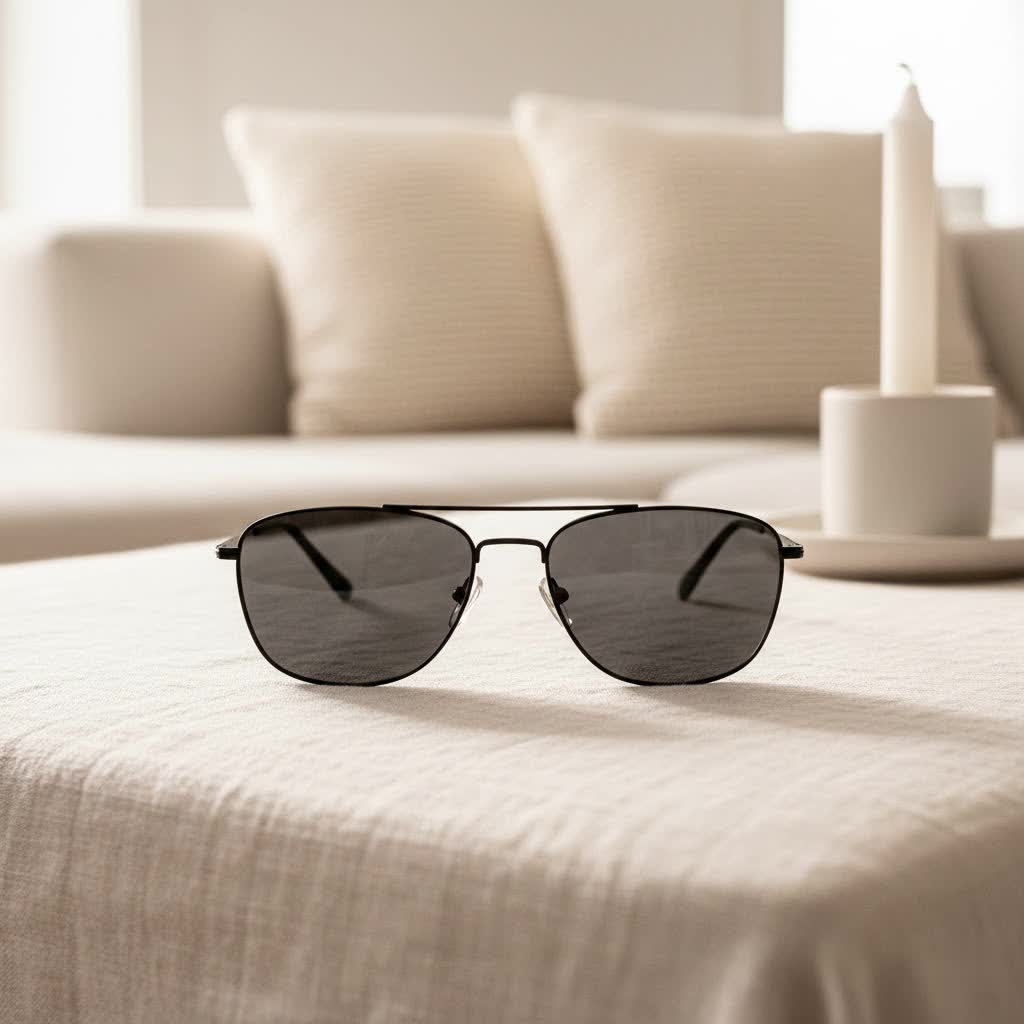
Polarized sunglasses are far more than just tinted lenses; they incorporate advanced technology to specifically combat glare, a common enemy of clear vision. Unlike standard sunglasses that merely darken your field of view, polarized lenses actively filter out disruptive light waves, providing a superior visual experience.
How Polarized Technology Works
|
Our Picks for the Best Polarized Sunglasses in 2026
As an Amazon Associate I earn from qualifying purchases.
|
||
| Num | Product | Action |
|---|---|---|
| 1 | KALIYADI Polarized Sunglasses for Men, Lightweight Sun Glasses with UV Protection for Driving Fishing Golf |

|
| 2 | KALIYADI Polarized Sunglasses for Men, Lightweight Sun Glasses with UV Protection for Driving Fishing Golf |
|
| 3 | 3 Pack Polarized Sports Sunglasses for Men, Mens Sunglasses Wrap Around UV Protection for Cycling Fishing Driving |
|
| 4 | KALIYADI Polarized Sunglasses for Men, Lightweight Sun Glasses with UV Protection for Driving Fishing Golf |
|
| 5 | 3 Pack Polarized Sports Sunglasses for Men, Mens Sunglasses Wrap Around UV Protection for Cycling Fishing Driving |
|
| 6 | KALIYADI Polarized Sunglasses for Men, Lightweight Sun Glasses with UV Protection for Driving Fishing Golf |
|
| 7 | 3 Pack Polarized Sports Sunglasses for Men, Mens Sunglasses Wrap Around UV Protection for Cycling Fishing Driving |
|
| 8 | 3 Pack Polarized Sports Sunglasses for Men, Mens Sunglasses Wrap Around UV Protection for Cycling Fishing Driving |
|
| 9 | KALIYADI Polarized Sunglasses for Men, Lightweight Sun Glasses with UV Protection for Driving Fishing Golf |
|
| 10 | KALIYADI Polarized Sunglasses for Men, Lightweight Sun Glasses with UV Protection for Driving Fishing Golf |
|
To understand polarized sunglasses, it’s essential to grasp the nature of light and glare. Sunlight, or any light source, typically vibrates and travels in all directions. However, when light reflects off smooth, flat surfaces like water, snow, wet roads, or car hoods, it becomes “polarized.” This means the light waves align and vibrate predominantly in a horizontal direction, creating intense, concentrated reflections known as glare.
Polarized lenses are equipped with a special chemical filter, typically embedded between layers of the lens material, that acts like a microscopic vertical Venetian blind. This filter is vertically aligned to block these problematic horizontal light waves, while allowing beneficial vertical light waves to pass through to your eyes. The result is a significant reduction in glare, leading to a calmer, clearer, and more comfortable view of the world.
Polarized vs. Regular Sunglasses
The primary distinction between polarized and regular (non-polarized) sunglasses lies in their approach to light management. Regular sunglasses offer basic light reduction, making your surroundings appear darker, but they do not specifically address or eliminate glare. This means you might still find yourself squinting on a sunny day near water or snow, despite wearing sunglasses.
Polarized sunglasses, on the other hand, actively cut through glare, making them far more effective in situations with reflective surfaces. While both types offer UV protection (assuming they are labeled as such), only polarized lenses provide the anti-glare benefits that dramatically improve visual clarity, reduce eye strain, and enhance contrast. For anyone spending time outdoors, especially near water, snow, or roads, polarized lenses are a clear upgrade.
The Benefits of Light Polarized Sunglasses
The advantages of incorporating light polarized sunglasses into your daily life extend beyond mere comfort. They offer significant improvements in safety, visual performance, and overall eye health.
Enhanced Glare Reduction
The most celebrated benefit of polarized sunglasses is their exceptional ability to reduce glare. This is particularly crucial when engaging in activities around highly reflective surfaces. Whether you’re driving on a sun-drenched highway, fishing on a shimmering lake, or hitting the slopes, glare can be not only annoying but also dangerous, momentarily blinding you and obscuring important details. Polarized lenses effectively neutralize this blinding light, allowing you to see objects with greater ease and reducing the risks associated with impaired vision.
Improved Visual Clarity and Contrast
By eliminating horizontal glare, polarized lenses allow vertical light waves to reach your eyes unimpeded, which translates into superior visual clarity. Objects appear sharper and colors are perceived with greater accuracy and vibrancy. This enhanced contrast helps you discern details more easily, whether it’s spotting fish beneath the water’s surface, navigating tricky terrain, or simply appreciating the true colors of a scenic landscape. This improved visual fidelity can significantly elevate your outdoor experiences.
Superior Eye Protection and Comfort
Constant exposure to bright sunlight, especially with glare, forces your eyes to work harder, leading to eye strain, fatigue, and even headaches. Polarized sunglasses alleviate this stress by providing a more comfortable viewing experience. When paired with 100% UVA/UVB (UV400) protection, which many quality polarized lenses offer, they also shield your eyes from harmful ultraviolet rays. This dual protection is vital for long-term eye health, helping to prevent conditions like cataracts and macular degeneration that can be exacerbated by UV exposure.
“Polarized lenses truly transform your vision in bright conditions. They reduce distracting glare, enhance colors, and make everything look sharper, which significantly lessens eye fatigue during extended outdoor activities.”
Versatility for Every Lifestyle
Light polarized sunglasses are not just for extreme sports enthusiasts; their benefits are applicable across a wide spectrum of daily activities. From your morning commute to a weekend adventure, these lenses enhance your vision and protect your eyes, making them a versatile choice for nearly everyone. The term “light polarized” can also refer to lightweight frame designs and lenses that are not excessively dark, making them suitable for variable light conditions and extended wear.
Types of Polarized Sunglasses for Specific Needs
Different activities present unique visual challenges. Fortunately, polarized sunglasses come in various designs and lens tints tailored to optimize performance for specific purposes.
For Driving
Driving in bright sunlight or on wet roads can be hazardous due to intense glare reflecting off surfaces. Polarized driving sunglasses, often featuring neutral gray or brown tints, effectively reduce this glare, improving visibility of the road ahead, traffic signals, and other vehicles. This enhanced clarity can lead to safer and more comfortable journeys, minimizing eye strain during long drives. Wrap-around styles can offer additional peripheral protection from sunlight entering from the sides.
For Water Activities and Fishing
For anglers, boaters, and anyone spending time on the water, polarized sunglasses are indispensable. The glare off the water’s surface can be almost blinding. Polarized lenses cut through this surface glare, allowing you to see into the water to spot fish, underwater structures, or navigate more safely. Amber or green tints are often favored for these activities as they enhance contrast, making it easier to distinguish objects in aquatic environments.
For Sports and Outdoor Adventures
Whether hiking, cycling, running, or enjoying snow sports, light polarized sunglasses can significantly boost performance and comfort. They reduce glare from snow, sand, or shiny equipment, allowing athletes to focus on the terrain and react quickly. For snow sports, however, it’s worth noting that while they reduce glare, they can sometimes make it harder to distinguish icy patches, a factor to consider depending on conditions. Lightweight, durable frames with secure fits are crucial for active use.
For Everyday Style
Even for casual wear, the benefits of polarized sunglasses are undeniable. They provide superior comfort and clarity for daily activities like walking, relaxing at the park, or enjoying a patio lunch. Fashion-forward polarized options combine modern aesthetics with advanced lens technology, ensuring your eyes are protected and your vision is pristine, without compromising on style.
Understanding Polarized Lens Materials
The material of your polarized lenses plays a critical role in their optical performance, durability, and weight. Various options cater to different needs and budgets.
Glass Lenses
Glass lenses are renowned for offering the highest optical clarity and are the most scratch-resistant option available. They provide an incredibly crisp and distortion-free view. However, glass lenses are generally heavier than their plastic counterparts and can shatter upon high impact, making them less ideal for active sports where durability is paramount. Premium brands like Maui Jim and Costa Del Mar often utilize high-quality glass for their superior visual experience.
Polycarbonate Lenses
Polycarbonate lenses are a popular choice due to their exceptional impact resistance, making them virtually shatterproof. This makes them an excellent option for sports, children’s eyewear, and safety glasses. They are also significantly lighter than glass, contributing to the “light” aspect of polarized sunglasses. While less scratch-resistant than glass, many polycarbonate lenses come with durable anti-scratch coatings. Costa’s 580P lenses are a prime example of high-performance polycarbonate.
CR-39 Lenses
CR-39 (also known as OM15) is a plastic polymer that offers a good balance between optical clarity and weight. It provides better optical performance than polycarbonate and is more scratch-resistant, though not as much as glass. CR-39 lenses are lighter than glass and more impact-resistant than traditional plastic, making them a versatile choice for everyday and fashion-oriented polarized sunglasses.
Tri-Acetate Cellulose (TAC) Lenses
TAC lenses are known for being incredibly lightweight and offering excellent polarization capabilities at a more affordable price point. They are commonly found in budget-friendly polarized sunglasses. While they effectively reduce glare, their optical clarity may not match that of glass or CR-39, and they are generally less scratch-resistant. In some lower-priced TAC lenses, the polarizing film is applied to the surface, which can be prone to scratching or peeling over time.
Other Advanced Materials
Beyond the primary materials, advanced options like Trivex offer superior impact resistance and optical clarity, often surpassing polycarbonate. Polyamide (Nylon) lenses are also notable for their high durability, flexibility, and excellent strength-to-weight ratio, frequently used in both fashion and performance eyewear. Many higher-end polarized lenses feature the polarizing film embedded between layers of these materials, enhancing durability and preventing the film from being scratched off.
Comparison Table: Popular Polarized Lens Materials
Choosing the right lens material depends on your priorities. Here’s a quick comparison of the most common types:
| Feature | Glass Lenses | Polycarbonate Lenses | CR-39 Lenses | TAC Lenses |
|---|---|---|---|---|
| Optical Clarity | Excellent | Good | Very Good | Good |
| Impact Resistance | Low (can shatter) | Excellent (shatterproof) | Good (impact-resistant) | Moderate |
| Scratch Resistance | Excellent | Fair (needs coating) | Good | Fair (prone to scratching) |
| Weight | Heavy | Lightweight | Medium | Very Lightweight |
| Typical Price Range | High | Mid-High | Mid | Low-Mid |
| Best For | Premium clarity, everyday | Sports, safety, active | General use, fashion | Budget-friendly, casual |
Your Comprehensive Buying Guide for Polarized Sunglasses
Investing in a pair of light polarized sunglasses means making an informed decision. Here’s what you should consider to find your perfect pair.
Key Factors to Consider
Essential UV Protection
Always remember: polarization is not synonymous with UV protection. While many polarized lenses include UV protection, it’s crucial to confirm that any sunglasses you buy offer 100% protection against both UVA and UVB rays, often indicated as “UV400.” This ensures your eyes are safeguarded from harmful solar radiation, regardless of the glare reduction.
Choosing the Right Lens Tint and VLT
Lens tint influences how colors are perceived and the amount of visible light that reaches your eyes (Visible Light Transmission – VLT).
- Gray lenses: Provide true color perception and are ideal for general-purpose use in bright conditions.
- Brown/Amber lenses: Enhance contrast and depth perception, excellent for variable light conditions, driving, and water sports.
- Green lenses: Offer good contrast and color accuracy, suitable for general outdoor activities.
- Yellow/Rose tints: Best for low-light conditions, enhancing contrast but not typically polarized for bright glare.
VLT is measured as a percentage:
- 0-19% VLT: Best for extremely bright, sunny conditions.
- 20-40% VLT: Good for all-purpose use and moderate sunlight.
- 40%+ VLT: Ideal for overcast days or low-light conditions.
Frame Style and Fit
A comfortable and secure fit is essential for all-day wear. Consider your face shape and lifestyle:
- Wrap-around frames: Offer maximum coverage and protection from peripheral light, wind, and debris, ideal for sports.
- Lightweight frames: Made from materials like nylon or titanium, these ensure comfort, especially for extended use.
- Adjustable nose pads and temple tips: Can customize the fit to prevent slippage.
Additional Lens Coatings
Many polarized lenses come with extra coatings to enhance their performance and durability:
- Anti-scratch coating: Increases the lifespan of your lenses.
- Anti-reflective (AR) coating: Applied to the inner surface to eliminate reflections from behind, further improving clarity.
- Hydrophobic/Oleophobic coating: Repels water, oil, and sweat, making lenses easier to clean.
- Mirror coating: Reduces overall brightness by reflecting more light, adding a stylish finish.
How to Verify Polarization
You can easily check if your sunglasses are truly polarized using a few simple methods:
- LCD Screen Test: Hold your sunglasses up to an LCD screen (like a phone or computer monitor) and slowly rotate them 90 degrees. If the lenses are polarized, the screen will appear to darken or turn black at certain angles as the polarization filters align.
- Reflection Test: Look through the sunglasses at a reflective surface (e.g., a car windshield, a puddle, or a shiny table). If the glare is significantly reduced or eliminated, the lenses are likely polarized.
- Two-Pair Test: If you have two pairs of polarized sunglasses, hold one pair in front of the other and rotate one 90 degrees. The overlapping area should become nearly black, as the two filters block all light.
Top Brands for Quality Polarized Sunglasses
Several brands consistently deliver high-quality light polarized sunglasses, blending advanced technology with superior design.
- Maui Jim: Renowned for their exceptional “PolarizedPlus2” lens technology, Maui Jim sunglasses offer unparalleled clarity, vibrant color enhancement, and excellent glare reduction. They are particularly praised for their glass lenses, which deliver outstanding optical quality.
- Costa Del Mar: A favorite among fishing enthusiasts, Costa Del Mar specializes in lenses optimized for water activities. Their proprietary 580 lenses filter yellow light to boost contrast and vibrancy, providing superior clarity and glare elimination on the water.
- Smith Optics: With their ChromaPop lens technology, Smith Optics sunglasses excel at filtering light to enhance clarity, color, and depth perception. Many of their models come with polarized options, ideal for varying outdoor conditions and activities.
- Oakley: Known for their innovative sports eyewear, Oakley offers polarized lenses that reduce road glare and enhance visual clarity, making them a top choice for driving and active lifestyles. Their frames are often lightweight and durable.
- Other Reputable Choices: Brands like Ray-Ban offer classic styles with polarized options, while goodr and Knockaround provide stylish, durable, and affordable polarized sunglasses that are excellent value for everyday use.
Conclusion
Light polarized sunglasses are a game-changer for anyone seeking a clearer, more comfortable, and safer outdoor experience. By intelligently filtering out harsh glare, they provide unparalleled visual clarity, reduce eye strain, and protect your eyes from harmful UV rays (when paired with proper UV protection). With a wide array of lens materials, tints, and frame styles available, there’s a perfect pair of polarized sunglasses to suit every need and activity. Investing in quality polarized eyewear is an investment in your vision and well-being, allowing you to fully embrace the beauty of the world around you, free from dazzling distractions. So, are you ready to see the world in a whole new light?
Frequently Asked Questions
Are light polarized sunglasses necessary for everyday use?
While not strictly “necessary” for everyone, light polarized sunglasses significantly enhance comfort and clarity for everyday outdoor activities by reducing glare from reflective surfaces like cars, windows, and wet pavements, even if you’re not near water or snow. They also reduce eye strain, making them a worthwhile investment for daily wear.
Can I wear polarized sunglasses for driving at night?
No, it is generally not recommended to wear any sunglasses, including polarized ones, for driving at night. Their light-filtering properties, even if they appear “light,” will reduce the amount of light reaching your eyes, impairing your vision in low-light conditions and potentially making driving more dangerous.
Do polarized lenses offer 100% UV protection?
Polarization and UV protection are distinct features. While many high-quality polarized sunglasses do include 100% UVA and UVB protection (UV400), the polarization filter itself does not block UV rays. Always check the label to ensure your sunglasses explicitly state “100% UV protection” or “UV400” to safeguard your eyes from harmful radiation.
How do I clean my polarized sunglasses without damaging them?
To clean polarized sunglasses, rinse them under lukewarm water to remove loose debris. Use a mild soap (avoid harsh chemicals) and gently rub the lenses with your fingertips. Rinse thoroughly and dry with a clean, soft microfiber cloth. Avoid paper towels or abrasive materials, which can scratch the lenses or damage coatings.
What’s the difference between light polarized and dark polarized lenses?
The terms “light polarized” and “dark polarized” usually refer to the tint or Visible Light Transmission (VLT) of the lenses, not the polarization itself. “Light polarized” typically describes lenses with a higher VLT (allowing more light through), suitable for variable or less intense light conditions, or lighter frames. “Dark polarized” refers to lenses with a lower VLT, best for very bright, sunny environments. The polarization technology works the same regardless of the tint’s darkness.
