Stepping out into the bright sunlight, do you often find yourself squinting, battling a blinding glare that turns a beautiful day into a visual struggle? For those who rely on corrective eyewear, this challenge is amplified, often forcing a compromise between clear vision and glare protection. The solution lies in Polarized Prescription Sunglasses – an innovative eyewear marvel that marries your essential visual correction with advanced glare-reducing technology. These aren’t just tinted lenses; they are precision instruments designed to transform your outdoor experience, offering unparalleled clarity, comfort, and protection from the sun’s harsh realities.
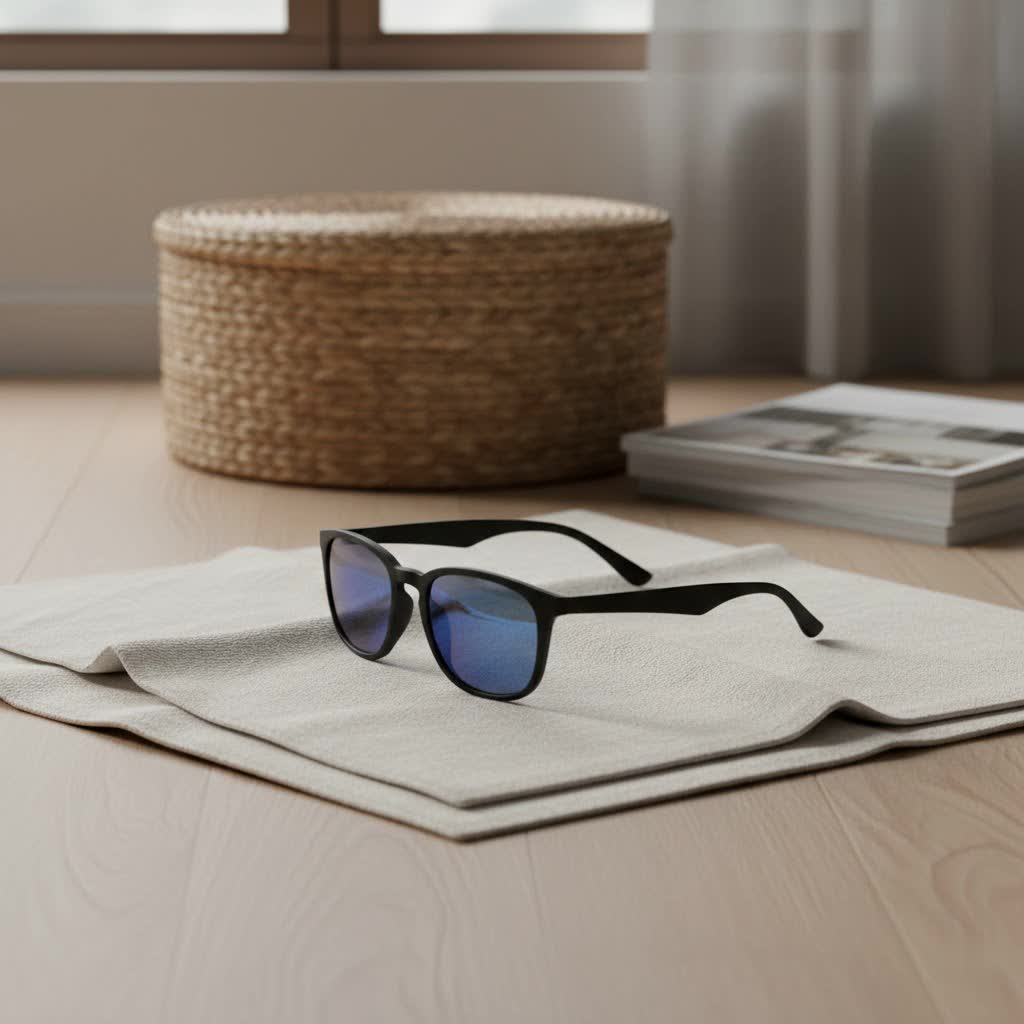
Understanding Polarized Sunglasses
At their core, polarized sunglasses are engineered to combat glare, the intense light reflection that bounces off flat, smooth surfaces like water, snow, roads, and car hoods. Unlike standard sunglasses that merely darken your field of vision, polarized lenses employ a sophisticated filter to selectively block this disruptive light.
How Polarized Lenses Work
|
Our Picks for the Best Polarized Sunglasses in 2026
As an Amazon Associate I earn from qualifying purchases.
|
||
| Num | Product | Action |
|---|---|---|
| 1 | KALIYADI Polarized Sunglasses for Men, Lightweight Sun Glasses with UV Protection for Driving Fishing Golf |

|
| 2 | KALIYADI Polarized Sunglasses for Men, Lightweight Sun Glasses with UV Protection for Driving Fishing Golf |
|
| 3 | 3 Pack Polarized Sports Sunglasses for Men, Mens Sunglasses Wrap Around UV Protection for Cycling Fishing Driving |
|
| 4 | 3 Pack Polarized Sports Sunglasses for Men, Mens Sunglasses Wrap Around UV Protection for Cycling Fishing Driving |
|
| 5 | KALIYADI Polarized Sunglasses for Men, Lightweight Sun Glasses with UV Protection for Driving Fishing Golf |
|
| 6 | 3 Pack Polarized Sports Sunglasses for Men, Mens Sunglasses Wrap Around UV Protection for Cycling Fishing Driving |
|
| 7 | KALIYADI Polarized Sunglasses for Men, Lightweight Sun Glasses with UV Protection for Driving Fishing Golf |
|
| 8 | 3 Pack Polarized Sports Sunglasses for Men, Mens Sunglasses Wrap Around UV Protection for Cycling Fishing Driving |
|
| 9 | KALIYADI Polarized Sunglasses for Men, Lightweight Sun Glasses with UV Protection for Driving Fishing Golf |
|
| 10 | KALIYADI Polarized Sunglasses for Men, Lightweight Sun Glasses with UV Protection for Driving Fishing Golf |
|
Light waves typically vibrate in all directions. However, when sunlight strikes a flat, reflective surface, these waves become “polarized,” meaning they align and travel predominantly in a horizontal direction. This concentrated horizontal light is what we perceive as blinding glare. Polarized lenses feature a special chemical filter, often laminated within the lens material, composed of microscopic vertical stripes or aligned molecules. Imagine these as tiny Venetian blinds for your eyes. This vertical filter acts as a barrier, permitting only vertically oriented light waves to pass through while effectively blocking the intense horizontal light waves responsible for glare. The result is a dramatic reduction in glare, leading to a much clearer and more comfortable visual experience.
Polarized vs. Regular Sunglasses: The Crucial Difference
The primary distinction between polarized and regular tinted sunglasses lies in their approach to light management. Standard sunglasses simply reduce the overall amount of light reaching your eyes, akin to dimming a room. While they offer protection from harmful UV rays, they do not specifically address or eliminate glare. You might still find yourself squinting on a bright, reflective day. Polarized sunglasses, on the other hand, actively filter out the blinding horizontal glare, leaving your vision crisp, vibrant, and free from dazzling reflections. This targeted glare reduction is what makes them a superior choice for many outdoor activities and everyday wear.
Benefits of Polarized Prescription Sunglasses
The integration of prescription correction with polarizing technology unlocks a host of advantages, making polarized prescription sunglasses an indispensable tool for clear and comfortable outdoor vision.
Reduced Glare and Eye Strain
The most immediate and significant benefit of polarized lenses is their ability to drastically reduce glare. This means no more struggling to see the road ahead on a sunny drive, fewer reflections off water during fishing, and improved visibility on snowy slopes. By eliminating glare, these lenses minimize the constant effort your eyes make to compensate for bright reflections, leading to a significant reduction in eye strain, fatigue, and even headaches often caused by prolonged exposure to harsh sunlight.
Enhanced Visual Clarity and Contrast
Beyond glare reduction, polarized lenses sharpen your perception of the world. By removing the visual “noise” of reflected light, objects appear crisper, colors become more vibrant and true-to-life, and details are easier to discern. This enhanced contrast and clarity can make a remarkable difference, whether you’re reading signs on the highway, spotting a fish beneath the water’s surface, or tracking a ball during a game.
Superior UV Protection
While their glare-fighting properties are a major draw, most high-quality polarized prescription sunglasses also provide 100% protection against harmful UVA and UVB rays. Prolonged exposure to these ultraviolet rays can contribute to serious eye conditions like cataracts and macular degeneration. Combining your prescription with UV-protective polarized lenses ensures comprehensive eye health and peace of mind under the sun.
Ideal for Outdoor Activities
Polarized prescription sunglasses are a game-changer for anyone who spends time outdoors.
- Driving: They cut glare from wet roads, car hoods, and windshields, improving safety and reducing driver fatigue.
- Fishing and Boating: They allow you to see through the water’s surface, spotting fish, submerged obstacles, and enhancing overall visibility on the water.
- Sports: For activities like cycling, golf, skiing, and snowboarding, they improve reaction time, enhance depth perception, and reduce visual discomfort from reflective surfaces.
- General Outdoor Use: From hiking to simply enjoying a picnic, they provide a more comfortable and visually rich experience.
Types of Polarized Prescription Sunglasses
Polarized prescription sunglasses come in a variety of forms, catering to different activities, aesthetic preferences, and visual needs. Understanding the available options is key to choosing the perfect pair.
Classification by Intended Use
- For Driving: Optimized to reduce glare from asphalt, chrome, and wet roads, often featuring neutral gray or brown tints for accurate color perception and enhanced contrast.
- For Fishing & Water Sports: Specifically designed to cut glare off water, allowing clearer views beneath the surface. Blue or green mirror coatings are common to reflect additional glare.
- For Sports & Active Lifestyles: Often feature wrap-around frames for maximum peripheral vision and protection, with impact-resistant lens materials and secure fits. Lens tints might be specific to the sport, like amber for contrast in varying light.
- For Fashion & Everyday Wear: Combine the benefits of polarization with stylish frames and a range of lens colors, allowing for comfortable vision without compromising on personal style.
Classification by Lens Material
The material of your polarized prescription lenses significantly impacts their performance, durability, and comfort.
- CR-39 Plastic: A popular and economical choice, CR-39 offers good optical clarity and is lighter than glass. It’s suitable for a wide range of prescriptions and is more impact-resistant than glass, though less so than polycarbonate or Trivex.
- Polycarbonate: Known for its exceptional impact resistance, polycarbonate is a lightweight and thin material, making it an excellent choice for sports eyewear, safety glasses, and children’s glasses. It inherently blocks 100% of UV rays. While optically good, it may have slightly more chromatic aberration than CR-39 or Trivex.
- Trivex: Developed for military applications, Trivex combines the best of both worlds: superior optical clarity (similar to CR-39) with impact resistance comparable to polycarbonate. It is also exceptionally lightweight and offers 100% UV protection. Trivex is often preferred for rimless frames due to its durability.
- High-Index Plastic: For individuals with stronger prescriptions, high-index plastic lenses are thinner and lighter than standard CR-39 or polycarbonate, improving cosmetic appearance and reducing overall weight. They can also be polarized and offer UV protection.
- Glass: While offering the highest optical clarity with virtually no distortion, glass is the heaviest and least impact-resistant material, prone to shattering. It is generally not recommended for active individuals but is still favored by some for its pristine vision quality in specific, low-impact applications.
Comparison Table: Polarized Lens Materials
Choosing the right lens material is crucial for performance and safety. Here’s a comparison of common materials used for polarized prescription lenses:
| Feature | Glass | CR-39 Plastic | Polycarbonate | Trivex | High-Index Plastic |
|---|---|---|---|---|---|
| Optical Clarity | Excellent | Very Good | Good | Excellent | Good to Very Good |
| Impact Resistance | Poor (shatters) | Fair | Excellent (shatterproof) | Excellent (shatterproof) | Good (depends on index) |
| Weight | Heaviest | Moderate | Lightweight | Very Lightweight | Lightweight (thinner) |
| UV Protection | Requires coating | Requires coating | Inherent 100% | Inherent 100% | Requires coating (often included) |
| Scratch Resistance | Excellent | Good | Fair (needs coating) | Good (better than Poly) | Fair to Good (needs coating) |
| Best Use Cases | Photography, specific fashion | General use, lower cost | Sports, safety, kids | Sports, rimless, general | Strong prescriptions |
“The choice of lens material for polarized prescription sunglasses is as critical as the prescription itself. For active individuals, prioritizing impact resistance with polycarbonate or Trivex is paramount, while those seeking the purest optics might lean towards glass for specific, less hazardous environments.” – Dr. Emily Chen, Optometrist & Eyewear Specialist
Buying Guide: Choosing Your Perfect Pair
Selecting the right pair of polarized prescription sunglasses involves considering several factors to ensure they meet your visual needs, lifestyle, and style preferences.
1. Consider Your Lifestyle and Activities
Your primary use for the sunglasses should dictate your choice.
- Driving: Look for neutral tints (gray, brown) and possibly gradient lenses that are darker at the top. Ensure they don’t interfere with LCD displays in your car.
- Water Sports/Fishing: Blue or green mirror coatings combined with gray or brown polarized lenses are often ideal for cutting intense water glare.
- Outdoor Sports: Prioritize impact-resistant materials like polycarbonate or Trivex, secure-fit frames (wrap-around or with grippy nose pads), and durable coatings.
- Everyday/Fashion: Focus on frame style, comfort, and a lens tint that complements your aesthetic while providing glare protection.
2. Understand Lens Materials and Coatings
Review the comparison table and choose a material that balances optical clarity, impact resistance, and weight for your specific needs. Additionally, consider lens coatings:
- Anti-Reflective (AR) Coating: Applied to the back surface of the lens, it reduces reflections that can cause discomfort and interfere with vision.
- Hydrophobic/Oleophobic Coating: Repels water, sweat, and oils, making lenses easier to clean.
- Scratch-Resistant Coating: Essential for protecting lens integrity, especially for polycarbonate and high-index materials.
3. Frame Style and Fit
The right frame ensures comfort and optimal lens performance.
- Comfort: The frames should sit comfortably on your nose and ears without pinching or slipping. Adjustable nose pads can significantly improve fit.
- Coverage: For maximum protection from sun and glare, consider larger lenses or wrap-around styles, especially for sports.
- Style: Choose a frame shape (aviator, square, round, cat-eye) and color that suits your face shape and personal fashion.
4. Brand Reputation and Warranty
Invest in reputable brands known for their optical quality and durability. Check their warranty policies for frames and lenses, which can offer peace of mind for your investment. Brands with a strong history in polarized optics often have proprietary lens technologies that offer superior performance.
5. Getting the Right Prescription
Always consult with an optometrist for an up-to-date eye exam and precise prescription. They can also advise on the best lens type and materials for your specific visual correction and lifestyle needs, ensuring your polarized prescription sunglasses provide optimal vision and comfort.
Top Polarized Prescription Sunglasses Brands
Several brands stand out for their quality, innovation, and extensive range of polarized prescription sunglasses.
- Ray-Ban: An iconic brand known for its classic styles like the Aviator and Wayfarer. Ray-Ban offers a wide selection of frames that can be fitted with high-quality polarized prescription lenses, blending timeless fashion with essential glare protection.
- Oakley: Renowned for its sports performance eyewear, Oakley features innovative technologies like Prizm polarized lenses, which are engineered to enhance color, contrast, and detail for specific environments. They offer durable frames and advanced lens options for athletes and active individuals.
- Maui Jim: Celebrated for its exceptional lens technology, particularly PolarizedPlus2, Maui Jim lenses offer unparalleled color enhancement, clarity, and glare reduction. Their Hawaiian-inspired designs combine sophisticated style with premium optical performance, making them a favorite for those seeking the ultimate visual experience.
- Costa Del Mar: A top choice for fishing and water sports enthusiasts, Costa Del Mar specializes in highly durable frames and polarized lenses (including patented 580 lenses) designed to cut glare off the water, offering superior clarity for marine environments.
- Other Notable Brands:
- Smith: Offers Chromapop technology for enhanced color and contrast in various conditions.
- Warby Parker: Known for its affordable and stylish prescription eyewear, including polarized sunglass options, often with home-try-on programs.
- SportRx: A specialist in prescription sports eyewear, offering a wide range of brands and custom solutions for various athletic needs.
- Roka: Features lightweight, high-performance frames with excellent grip, suitable for active users, and offers polarized prescription lenses.
- Zenni Optical: Provides a budget-friendly option for prescription polarized sunglasses with a vast selection of frames.
Conclusion
Polarized prescription sunglasses are more than just an accessory; they are a vital investment in your visual health and outdoor enjoyment. By effectively eliminating blinding glare, enhancing clarity, boosting contrast, and providing crucial UV protection, these specialized lenses empower you to see the world with unparalleled comfort and precision. Whether you’re navigating city streets, casting a line into the water, or simply enjoying a sunny day, the right pair can transform your experience. Don’t let glare diminish your vision – embrace the clarity and comfort that polarized prescription sunglasses offer. What aspects of your outdoor life will be most improved by embracing this advanced eyewear?
Frequently Asked Questions
Can I get polarized prescription sunglasses if I have a high prescription?
Yes, advancements in lens technology, including high-index materials, allow for polarized prescription sunglasses to be made for a wide range of prescriptions, even higher ones, resulting in thinner and lighter lenses.
Are there any situations where polarized prescription sunglasses are not recommended?
Polarized lenses can make it difficult to view LCD screens found on car dashboards, ATMs, or some smartphones, as these screens are often already polarized. They are also generally not recommended for pilots, as they can obscure instruments.
How do I know if my sunglasses are truly polarized?
A simple test is to look through them at an LCD screen (like your phone or a computer monitor) and rotate the sunglasses 90 degrees. If the lens darkens or turns black, they are polarized. You can also hold two pairs of polarized sunglasses at a right angle to each other; the overlapping section should appear black.
What lens color is best for polarized prescription sunglasses?
The best lens color depends on your primary activity. Gray lenses offer true color perception and are excellent for general use and bright conditions. Brown lenses enhance contrast, making them ideal for driving, golfing, and varying light conditions. Green lenses can also offer good contrast while maintaining color fidelity.
How do polarized prescription sunglasses protect against UV rays?
Most quality polarized lenses are manufactured with materials or coatings that inherently block 100% of UVA and UVB radiation, safeguarding your eyes from harmful sun damage in addition to reducing glare. This protection is a standard feature in reputable brands.
