Fishing is an experience that engages all your senses, but none is more critical than sight. Imagine being on the water, scanning for movement beneath the surface, only to be thwarted by blinding glare. This common frustration can turn a promising day into a futile exercise. The solution lies in a specialized piece of gear: polarized sunglasses. Designed specifically to combat the unique visual challenges of aquatic environments, the right pair of polarized sunglasses can transform your fishing success, helping you spot fish, navigate underwater structures, and protect your eyes. This comprehensive guide will navigate you through the world of polarized fishing sunglasses, ensuring you choose the perfect pair to enhance your vision and elevate your time on the water.
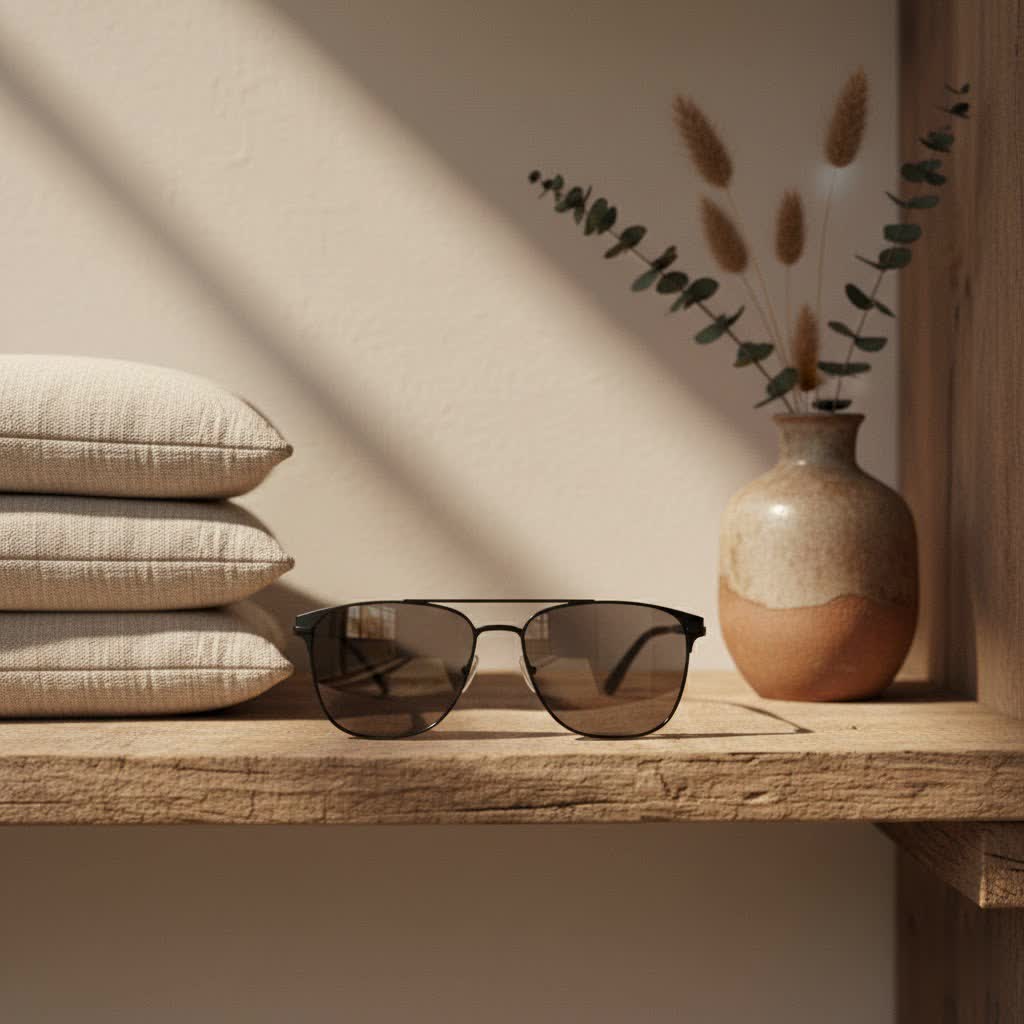
Polarized Sunglasses for Fishing: An Essential Overview
For any angler, understanding what polarized sunglasses are and how they benefit your vision is the first step towards a more productive fishing trip. These aren’t just ordinary shades; they’re advanced optical tools.
What Are Polarized Sunglasses?
|
Our Picks for the Best Polarized Sunglasses in 2026
As an Amazon Associate I earn from qualifying purchases.
|
||
| Num | Product | Action |
|---|---|---|
| 1 | KALIYADI Polarized Sunglasses for Men, Lightweight Sun Glasses with UV Protection for Driving Fishing Golf |

|
| 2 | 3 Pack Polarized Sports Sunglasses for Men, Mens Sunglasses Wrap Around UV Protection for Cycling Fishing Driving |
|
| 3 | KALIYADI Polarized Sunglasses for Men, Lightweight Sun Glasses with UV Protection for Driving Fishing Golf |
|
| 4 | KALIYADI Polarized Sunglasses for Men, Lightweight Sun Glasses with UV Protection for Driving Fishing Golf |
|
| 5 | 3 Pack Polarized Sports Sunglasses for Men, Mens Sunglasses Wrap Around UV Protection for Cycling Fishing Driving |
|
| 6 | KALIYADI Polarized Sunglasses for Men, Lightweight Sun Glasses with UV Protection for Driving Fishing Golf |
|
| 7 | 3 Pack Polarized Sports Sunglasses for Men, Mens Sunglasses Wrap Around UV Protection for Cycling Fishing Driving |
|
| 8 | KALIYADI Polarized Sunglasses for Men, Lightweight Sun Glasses with UV Protection for Driving Fishing Golf |
|
| 9 | 3 Pack Polarized Sports Sunglasses for Men, Mens Sunglasses Wrap Around UV Protection for Cycling Fishing Driving |
|
| 10 | KALIYADI Polarized Sunglasses for Men, Lightweight Sun Glasses with UV Protection for Driving Fishing Golf |
|
Polarized sunglasses feature a unique chemical filter, either embedded within or applied to the lens, designed to block horizontally polarized light waves. When sunlight hits a flat surface like water, it reflects in all directions, but a significant portion becomes horizontally polarized, creating intense, blinding glare. This glare is what makes it difficult to see beyond the water’s surface.
Unlike regular sunglasses, which merely darken your field of vision, polarized lenses selectively absorb these horizontal light waves while allowing vertical light waves to pass through. This ingenious mechanism effectively cuts surface glare, enhancing clarity and contrast beneath the water. The result is a clearer, more detailed view of your underwater surroundings, revealing fish, rocks, and other submerged structures that would otherwise remain hidden.
Benefits of Polarized Sunglasses for Fishing
The advantages of wearing polarized sunglasses when fishing extend far beyond simply reducing glare. They offer a suite of benefits that directly impact an angler’s performance and comfort on the water:
- Glare Reduction: The most significant benefit, polarized lenses eliminate the harsh glare reflecting off the water, allowing you to see into the depths with improved clarity. This is crucial for sight fishing, identifying cover, and navigating safely.
- Enhanced Contrast and Clarity: By filtering out distracting light, polarized lenses sharpen your vision, boosting contrast and definition. This makes it easier to distinguish fish from their surroundings and perceive subtle movements underwater.
- Superior UV Protection: Prolonged exposure to the sun’s ultraviolet (UV) rays can cause significant eye damage. Quality polarized sunglasses offer 100% UVA and UVB protection, safeguarding your eyes from harmful radiation, even on overcast days when UV rays can still penetrate clouds.
- Reduced Eye Strain and Fatigue: Hours of squinting against glare and intense sunlight can lead to eye strain, headaches, and overall fatigue. Polarized lenses significantly reduce this strain, allowing you to stay comfortable and focused for longer periods on the water.
- Physical Eye Protection: Beyond UV and glare, sunglasses also provide a physical barrier against flying hooks, lures, weights, and other debris that can cause accidental eye injuries while casting or handling fish.
“Many anglers don’t realize how much they’re missing beneath the surface until they experience the clarity polarized lenses provide. It’s a game-changer for spotting fish.” – Joseph Simonds, Angling Expert
Types of Polarized Sunglasses for Fishing
The world of polarized sunglasses offers a diverse range, tailored to different fishing environments, preferences, and budgets. Understanding these categories will help you narrow down your choices.
Classification by Purpose
While all fishing benefits from polarization, specific lens colors and features are optimized for particular conditions and fishing styles.
- For Driving: Many polarized lenses, especially gray or brown tints, are excellent for everyday driving, reducing glare from wet roads and other vehicles. This versatility means your fishing shades can double as your daily drivers.
- For Fishing (Specific Conditions):
- Offshore/Deep Water: For bright, open ocean environments, darker lenses with a gray or blue mirror base are ideal. Blue mirror lenses on a gray base are particularly favored by saltwater pros for cutting intense glare on expansive blue waters and high sun days.
- Inshore/Freshwater/Variable Light: Copper, amber, or green mirror lenses on a copper base are excellent all-around options. They enhance contrast and clarity in various light conditions, from bright sun to low light, making them perfect for sight fishing in rivers, lakes, and shallow flats.
- Low Light/Overcast/Sunrise/Sunset: Yellow or rose-colored lenses with a silver mirror are designed for dawn, dusk, or heavily overcast days. These tints allow maximum light transmission while still cutting glare, enhancing visibility when light is scarce.
- Sight Fishing: High-contrast lenses, often copper or amber, are prized for sight fishing as they make it easier to spot fish against varying bottom compositions.
- For Sports: Many fishing sunglasses offer features like secure fit, ventilation, and durable frames, making them suitable for other active outdoor sports beyond fishing.
- For Fashion: While performance is key, many top brands also offer stylish frames that look good both on and off the water, ensuring you don’t have to compromise on aesthetics.
Classification by Lens Material
The material of your lenses significantly impacts clarity, durability, and weight. The three primary options are glass, polycarbonate, and Trivex.
- Glass Lenses:
- Pros: Known for superior optical clarity and exceptional scratch resistance. Glass lenses provide the sharpest, most distortion-free vision.
- Cons: They are generally heavier and more expensive than plastic alternatives. Glass lenses are also more prone to shattering upon impact.
- Polycarbonate Lenses:
- Pros: Lightweight and highly impact-resistant, making them a safer choice. They are also typically more affordable. Modern polycarbonate lenses offer excellent clarity, though historically not as sharp as glass.
- Cons: More susceptible to scratching compared to glass, although many come with scratch-resistant coatings.
- CR-39 Lenses (Plastic): While less common in high-performance fishing sunglasses compared to polycarbonate or Trivex, CR-39 offers good optical clarity and is lighter than glass. It falls between glass and polycarbonate in terms of impact resistance.
- Trivex Lenses:
- Pros: A newer material that offers a blend of benefits, providing optical clarity comparable to glass with the lightweight and impact-resistant properties of polycarbonate. They are a premium option, often found in high-end prescription sports eyewear.
Comparison Table: Polarized Lens Materials
Choosing the right lens material depends on balancing optical quality, durability, weight, and budget.
| Feature | Glass Lenses (e.g., Costa 580G) | Polycarbonate Lenses (e.g., Costa 580P) | Trivex Lenses |
|---|---|---|---|
| Optical Clarity | Excellent | Very Good | Excellent |
| Scratch Resistance | Highest | Good (with coatings) | Very Good (better than polycarbonate) |
| Impact Resistance | Low (prone to shattering) | High (shatterproof) | High (similar to polycarbonate) |
| Weight | Heavy | Lightweight | Lightweight |
| Price | Highest | Moderate | High |
| Primary Advantage | Unmatched clarity, scratch resistance | Durability, lightness, safety | Clarity + durability, ideal for prescriptions |
Buying Guide: How to Choose the Best Polarized Fishing Sunglasses
Selecting the ideal pair of polarized sunglasses for fishing involves considering several factors beyond just lens material and color. A thoughtful approach ensures comfort, performance, and lasting value.
Key Factors to Consider When Buying
- Purpose of Use:
- Water Type: Are you fishing saltwater or freshwater? Offshore, inshore, rivers, or lakes? Different environments demand specific lens tints. For example, blue mirror lenses are excellent for offshore saltwater, while copper or green are often preferred for inshore or freshwater.
- Light Conditions: Do you primarily fish in bright sun, variable conditions, or low light (dawn/dusk, overcast)? Match your lens color and visible light transmission (VLT) to your typical fishing times.
- Lens Material: Refer to the comparison table above. Prioritize glass for ultimate clarity and scratch resistance if weight and cost aren’t major concerns. Opt for polycarbonate or Trivex for lightweight comfort, impact resistance, and value.
- Frame Style and Features:
- Coverage: Wrap-around frames offer maximum coverage, blocking peripheral light and providing superior protection from sun, wind, and spray. Full-wrap designs are often preferred for serious anglers.
- Fit and Comfort: Sunglasses should fit snugly without pinching or slipping, even when wet or sweaty. Look for features like rubberized nose pads and temple tips for enhanced grip. Some frames also have adjustable nose pads for a customized fit.
- Ventilation: Vented frames or side shields can prevent fogging, which is crucial during strenuous activity or in humid conditions.
- Durability: Fishing environments can be harsh. Frames made from durable, lightweight materials like bio-resin nylon or TR-90 are recommended. Avoid frames with inlaid rubber that can detach over time.
- Additional Features: Hydrophobic/oleophobic coatings repel water and oils, making lenses easier to clean. Scratch-resistant coatings extend lens life. Integrated lanyards or attachment points can prevent loss. Readers (bifocal sections) are a great option for anglers who need help tying knots.
Tips for Choosing the Right Polarized Sunglasses
- Try Before You Buy: If possible, try on different pairs to assess fit, comfort, and how well they block light from various angles. A good fit means they stay put during active fishing.
- Check UV Protection: Ensure the sunglasses offer 100% UVA and UVB protection, regardless of polarization. This is vital for long-term eye health.
- Consider Lens Color Carefully: Don’t just pick a color you like. Research which lens tints are best suited for the specific water types and light conditions you typically encounter.
- Consult Experts: Speak with experienced anglers or optical specialists at dedicated fishing tackle stores. Their insights can be invaluable in guiding your decision.
- Invest Wisely: While budget options exist, high-quality fishing sunglasses are an investment in your vision and fishing success. More expensive models often feature advanced lens technology and superior frame construction.
Top Polarized Sunglasses Brands for Fishing
The market for polarized fishing sunglasses is competitive, with several brands consistently delivering exceptional quality and performance.
Leading Brands in Fishing Eyewear
- Costa Del Mar: Renowned for their “Born on the Water” philosophy, Costa is a favorite among professional anglers. Their proprietary 580 lens technology (available in glass 580G and polycarbonate 580P) blocks specific yellow and blue light, enhancing color, contrast, and clarity. They offer a wide range of lens colors optimized for various fishing conditions, from blue mirror for offshore to green mirror for inshore.
- Smith Optics: Smith is celebrated for its ChromaPop™ lens technology, which filters specific crossover wavelengths of light to boost color and contrast. Their Polarchromic lenses automatically adjust tint to changing light conditions, making them versatile for mixed lighting situations from dawn to dusk.
- Maui Jim: Originating from Hawaii, Maui Jim’s PolarizedPlus2® lens technology is designed to combat intense tropical glare. Their SuperThin glass lenses offer superior clarity while being significantly lighter than traditional glass, balancing performance with comfort.
- Oakley: Known for their Prizm™ lens technology, Oakley sunglasses are engineered to fine-tune vision for specific sports and environments, enhancing detail and optimizing contrast. Many Oakley models are popular for their durable frames and sporty aesthetics.
- Bajío: A newer player gaining rapid popularity, Bajío focuses on reducing harmful blue and yellow light for improved clarity and target separation, particularly beneficial for sight fishing. They offer both glass and polycarbonate lens options in stylish, eco-conscious frames.
- Fin-Nor: These sunglasses feature Lateral Line Lens Technology with multi-layer anti-reflective coatings to prevent glare and enhance visual acuity. They offer durable bio-resin frames and adjustable features for comfort.
- Island Optics: Known for offering high-quality, prescription-capable polarized sunglasses at competitive prices, often manufacturing their prescription lenses in-house for optimal quality.
- Hobie Eyewear: Popular for their HydroClean 360 lenses that shed water and their innovative floating frames, which are a major advantage for kayak anglers or anyone prone to dropping their shades in the water.
- Pelagic: Specializes in high-performance polarized mineral glass lenses with proprietary rare-earth mineral mixtures for unrivaled clarity, often featuring dark blue mirror lenses best for offshore fishing.
- Dragon Alliance: Offers models with single-wide shield-style lenses that expand the field of vision, made with plant-based plastic frames and often featuring floating capabilities.
- Revo: Utilizes NASA-developed polarized lens technology for high-performance glare reduction, clarity, and color enhancement.
Conclusion
Choosing the best polarized sunglasses for fishing is an essential step towards maximizing your success and enjoyment on the water. By effectively cutting glare, enhancing visibility, and protecting your eyes from harmful UV rays, these specialized optics provide a clear advantage that ordinary sunglasses simply cannot match. Consider the type of water you fish, the prevailing light conditions, and your personal preferences for lens material and frame style. Investing in a high-quality pair from a reputable brand will ensure long-lasting comfort, clarity, and protection, allowing you to see deeper, spot more fish, and fish smarter.
What kind of adventures will your new polarized sunglasses help you conquer on the water?
Frequently Asked Questions
What is the best lens color for fishing in freshwater?
For freshwater fishing, especially in varying light conditions and shallow waters, amber, copper, or green mirror lenses with a copper base are often considered ideal. These colors enhance contrast, making it easier to spot fish and underwater structures like weeds and rocks.
Are more expensive polarized sunglasses really worth it for fishing?
Generally, yes. Higher-priced polarized sunglasses often feature superior lens technology (like Costa’s 580 or Smith’s ChromaPop), better optical clarity, more durable and comfortable frame materials, and advanced coatings that provide enhanced performance, glare reduction, and eye protection over extended periods.
How can I tell if my sunglasses are truly polarized?
A simple test is to look through them at an LCD screen (like a phone or computer monitor), then rotate your head or the sunglasses 90 degrees. If the screen appears to darken or go black, the lenses are polarized. You can also hold two pairs of polarized glasses at right angles to each other; the overlapping area should appear completely black.
Can I get prescription polarized sunglasses for fishing?
Yes, many top brands and specialized optical providers offer prescription polarized lenses. This ensures anglers with vision correction can experience the full benefits of polarization without needing to wear clip-ons or compromise on clarity. Brands like Island Optics specialize in prescription fishing sunglasses.
What frame style is best for fishing sunglasses?
Wrap-around or full-coverage frame styles are generally best for fishing. They minimize light leaking in from the sides, top, and bottom, reducing peripheral glare and offering maximum protection from the elements, ensuring consistent clarity across your field of vision.
