Stepping outdoors, whether for a scenic drive, a fishing expedition, or just a casual stroll, often means battling the sun’s harsh glare. This blinding reflection can be more than just annoying; it can obscure your vision, lead to eye strain, and even pose safety risks. But what if there was a way to significantly cut through that glare, reveal hidden details, and enjoy unparalleled visual comfort? Enter good polarized sunglasses – a game-changer for anyone who spends time under the sun. This comprehensive guide will equip you with everything you need to know to choose the perfect pair that not only protects your eyes but enhances your entire outdoor experience.
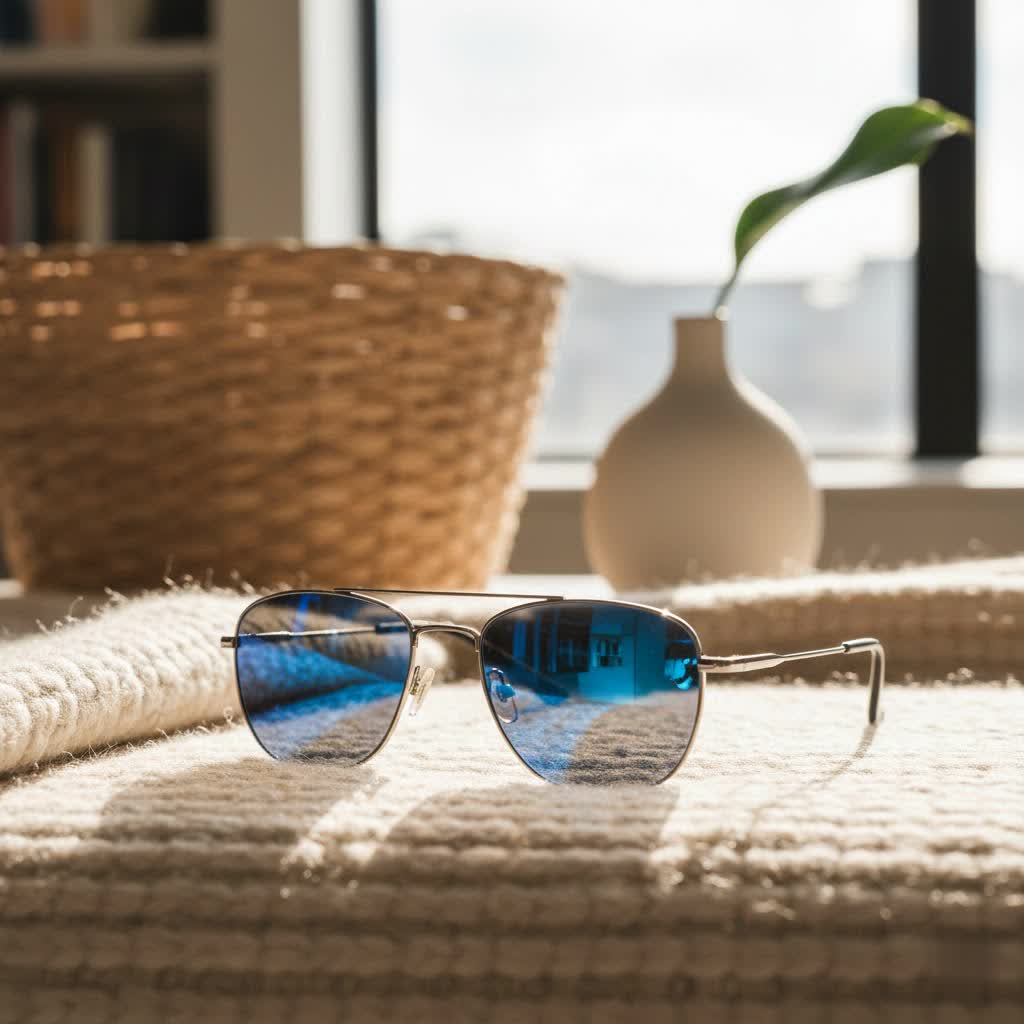
Polarized Sunglasses – An Overview
Good polarized sunglasses are far more than just tinted lenses; they represent a sophisticated optical technology designed to combat specific light challenges. Understanding their unique mechanism and benefits is the first step toward appreciating their value.
What Are Polarized Sunglasses?
|
Our Picks for the Best Polarized Sunglasses in 2026
As an Amazon Associate I earn from qualifying purchases.
|
||
| Num | Product | Action |
|---|---|---|
| 1 | KALIYADI Polarized Sunglasses for Men, Lightweight Sun Glasses with UV Protection for Driving Fishing Golf |

|
| 2 | 3 Pack Polarized Sports Sunglasses for Men, Mens Sunglasses Wrap Around UV Protection for Cycling Fishing Driving |
|
| 3 | KALIYADI Polarized Sunglasses for Men, Lightweight Sun Glasses with UV Protection for Driving Fishing Golf |
|
| 4 | KALIYADI Polarized Sunglasses for Men, Lightweight Sun Glasses with UV Protection for Driving Fishing Golf |
|
| 5 | KALIYADI Polarized Sunglasses for Men, Lightweight Sun Glasses with UV Protection for Driving Fishing Golf |
|
| 6 | 3 Pack Polarized Sports Sunglasses for Men, Mens Sunglasses Wrap Around UV Protection for Cycling Fishing Driving |
|
| 7 | KALIYADI Polarized Sunglasses for Men, Lightweight Sun Glasses with UV Protection for Driving Fishing Golf |
|
| 8 | 3 Pack Polarized Sports Sunglasses for Men, Mens Sunglasses Wrap Around UV Protection for Cycling Fishing Driving |
|
| 9 | KALIYADI Polarized Sunglasses for Men, Lightweight Sun Glasses with UV Protection for Driving Fishing Golf |
|
| 10 | 3 Pack Polarized Sports Sunglasses for Men, Mens Sunglasses Wrap Around UV Protection for Cycling Fishing Driving |
|
Polarized sunglasses feature a special chemical filter, typically laminated within the lens, with molecules arranged in a vertical pattern. This filter acts like a tiny venetian blind, allowing only vertically oriented light waves to pass through to your eyes while blocking horizontal light waves. Glare, which is often light that has become horizontally polarized by reflecting off flat, smooth surfaces like water, snow, or asphalt, is precisely what this vertical filter is designed to eliminate. The result is a clearer, crisper view, free from blinding reflections.
The core difference between polarized and regular sunglasses lies in this specialized filter. While standard sunglasses simply reduce the overall intensity of light, similar to looking through a tinted window, they don’t specifically target and neutralize glare. Non-polarized lenses will make everything darker, but reflections will still be prominent. Polarized lenses, on the other hand, actively filter out the blinding component of light, providing a level of visual clarity and comfort that conventional tinted lenses cannot match. This filtering can make the perceived image a bit darker, but the enhanced contrast and clarity make details easier to discern.
Benefits of Polarized Sunglasses
The advantages of choosing good polarized sunglasses extend far beyond mere glare reduction, offering a suite of benefits for your eye health and overall visual experience.
- Reduce Glare and Eye Strain: This is the primary and most significant benefit. By blocking horizontal light waves, polarized lenses eliminate the intense glare that bounces off reflective surfaces. This drastically reduces the need to squint, leading to less eye fatigue, discomfort, and even headaches, especially during prolonged exposure to bright conditions.
- Increase Contrast and Clarity: With glare removed, objects appear sharper, colors become more vibrant, and details are easier to distinguish. This enhanced visual acuity is particularly beneficial for activities where precise vision is crucial, such as spotting fish beneath the water’s surface or discerning changes in terrain while hiking.
- Protect Eyes from UV Rays: While the polarization technology itself doesn’t block harmful ultraviolet (UV) rays, any good pair of polarized sunglasses will also incorporate 100% UVA/UVB protection (often labeled as UV400). This dual protection shields your eyes from the sun’s damaging radiation, helping to prevent long-term eye health issues like cataracts and macular degeneration.
- Suitable for Outdoor Activities: The benefits of polarized lenses make them ideal for a wide range of outdoor pursuits.
- Driving: Reduces glare from wet roads, car hoods, and windshields, improving visibility and safety. However, they can make it harder to see LCD screens on dashboards.
- Fishing and Boating: Eliminates surface glare on water, allowing anglers to see deeper into the water to spot fish or underwater structures, and boaters to navigate more safely.
- Snow Sports: Reduces glare from snow, although caution is advised as they can sometimes obscure icy patches.
- Hiking and Cycling: Enhances visibility of trails, rocks, and roots, making outdoor adventures safer and more enjoyable.
Types of Polarized Sunglasses
The world of polarized sunglasses is diverse, with options categorized by their intended use and the materials from which their lenses are crafted.
Classification by Purpose
Different activities demand specific features from polarized sunglasses to optimize performance and comfort.
- Polarized Sunglasses for Driving: These lenses reduce glare from the road and other vehicles, making driving safer and more comfortable during the day. However, it’s worth noting they can make certain LCD screens (like those on car dashboards or GPS devices) appear dark or invisible. Night driving with polarized lenses is generally not recommended, as it can further reduce visibility.
- Polarized Sunglasses for Fishing: Anglers often consider polarized lenses essential. They cut through the water’s surface glare, allowing a clearer view of fish, submerged obstacles, and changes in water depth. Brands like Maui Jim and Costa Del Mar are highly regarded in the fishing community for their advanced lens technologies designed for water-specific conditions.
- Polarized Sunglasses for Sports: For athletes, features like a secure fit, lightweight design, and impact resistance are paramount. Many sports-specific polarized sunglasses also incorporate contrast-enhancing technologies, such as Oakley’s Prizm or Smith’s Chromapop lenses, which go beyond basic glare reduction to make colors pop and details sharper. These are excellent for trail running, cycling, or other activities where seeing subtle variations in the environment is critical.
- Fashion Polarized Sunglasses: Beyond performance, many polarized sunglasses are designed with style in mind. These offer the glare-reducing benefits in a variety of trendy frames and lens colors, suitable for everyday wear, beach outings, or social events. They combine eye protection with aesthetic appeal.
Classification by Lens Material
The material of a polarized lens significantly impacts its optical clarity, durability, weight, and overall performance.
- Glass Lenses:
- Pros: Offer superior optical clarity and the best scratch resistance.
- Cons: Heavier than plastic alternatives and can shatter upon high impact, making them less suitable for high-impact sports.
- Polycarbonate Lenses:
- Pros: Exceptionally lightweight and highly impact-resistant (up to 10 times more than glass or standard plastic), making them ideal for sports and safety. Naturally block most UV light. Good quality polarized polycarbonate lenses often have the polarized film sandwiched between layers, preventing it from scratching off.
- Cons: Can be more prone to scratching than glass, so scratch-resistant coatings are recommended.
- CR-39 (Plastic) Lenses:
- Pros: Offer good optical clarity, are lighter than glass, and provide a good balance for everyday use.
- Cons: Less impact-resistant than polycarbonate.
- TAC (Tri Acetate Cellulose) Lenses:
- Pros: Very lightweight and offer excellent polarization capabilities, often found in more affordable polarized sunglasses.
- Cons: Generally thinner and offer less impact protection; they can shatter. The polarized film is often on the front, making them more susceptible to scratching and losing polarizing properties over time compared to laminated designs.
- Polyamide (Nylon) Lenses:
- Pros: Durable, flexible, and offer a superior strength-to-weight ratio. Used in both fashion and sports eyewear due to resistance, comfort, and adaptability.
Comparison of Polarized Sunglasses
Choosing the right polarized sunglasses involves weighing various factors against your specific needs and budget. Here’s a comparison to help you navigate the options.
Comparison Criteria
When evaluating polarized sunglasses, consider these key aspects:
- Lens Material: Directly affects optical clarity, scratch resistance, impact resistance, and weight.
- UV Protection: Essential for eye health; ensure 100% UVA/UVB or UV400.
- Durability: How well the frames and lenses withstand wear, impact, and environmental conditions. This often relates to both lens material and frame construction.
- Optical Clarity: The sharpness and distortion-free quality of the vision provided by the lenses.
- Price: Ranges significantly based on brand, materials, and technology.
Detailed Comparison Table
| Feature / Lens Material | Glass | Polycarbonate | CR-39 | TAC | Polyamide |
|---|---|---|---|---|---|
| Optical Clarity | Excellent (Superior) | Very Good | Good | Good (Can be reduced) | Very Good |
| Scratch Resistance | Excellent (Best) | Good (Needs coating) | Good | Fair (Less than glass) | Good |
| Impact Resistance | Poor (Can shatter) | Excellent (Shatterproof) | Good | Fair (Can shatter) | Very Good |
| Weight | Heavy | Lightweight | Medium | Very Lightweight | Lightweight |
| UV Protection | 100% (with coating) | 100% (often inherent) | 100% (with coating) | 100% (with coating) | 100% (with coating) |
| Typical Use | Everyday, Fashion | Sports, Safety, Active | Everyday, Fashion | Budget, Everyday | Sports, Fashion, Versatile |
| Price Point | Higher | Medium to High | Medium | Lower | Medium to High |
Buying Guide: How to Choose Good Polarized Sunglasses
Selecting the right pair of good polarized sunglasses involves a blend of practicality, personal preference, and understanding your specific needs.
Factors to Consider When Buying
Don’t rush your decision. Thinking about these elements will guide you to your ideal pair:
- Purpose of Use: Your primary activities will dictate the features you need. Are they for intense sports, casual wear, driving, or water activities? This impacts lens material, frame style, and additional coatings.
- Lens Material: Refer to the comparison table above. Prioritize polycarbonate for impact resistance in sports, glass for ultimate clarity, or CR-39/polyamide for a good balance in everyday use.
- Style and Fit:
- Frame Style: Choose a style that complements your face shape and personal aesthetic (e.g., aviator, wayfarer, wrap-around, shield).
- Fit: Ensure a comfortable, secure fit that doesn’t slip during activity. Look for features like rubberized nose pads and temple grips. A good fit prevents slippage and blocks incidental light from entering.
- Coverage: Larger lenses or wrap-around styles offer more protection from peripheral light, wind, and debris.
- Brand and Price: Reputable brands often invest more in lens technology, frame durability, and customer service, justifying a higher price. However, excellent value options exist from brands like Tifosi and Goodr.
Tips for Choosing the Right Polarized Sunglasses
Make an informed decision with these practical tips:
- Try Before You Buy: If possible, try on different pairs to assess fit, comfort, and how they feel on your face. Check for pressure points or slippage.
- Verify UV Protection: Always confirm that the sunglasses offer 100% UVA/UVB protection (UV400). Polarization itself is about glare reduction, not UV blocking; both are crucial.
- Test for Polarization: You can easily check if lenses are polarized by holding them up to an LCD screen (like a phone or computer monitor) and rotating them. If the screen appears to darken or black out at certain angles, the lenses are polarized. You can also hold two polarized lenses perpendicularly to each other; they should black out where they overlap.
- Consider Lens Color: Different lens tints can enhance contrast for specific environments. Gray lenses offer true color perception, brown/bronze lenses enhance contrast and depth perception (great for varied light), and green lenses reduce glare while brightening shadows.
- Consult an Expert: If you have specific vision needs or concerns, an optometrist or eyewear specialist can provide tailored recommendations, especially for prescription polarized sunglasses.
Top Polarized Sunglasses Brands
Several brands have consistently delivered high-quality polarized sunglasses, earning strong reputations among consumers and experts alike.
Introduction to Leading Brands
- Ray-Ban: An iconic brand known for its classic styles (Aviator, Wayfarer) that often incorporate high-quality polarized lenses. They blend fashion with reliable optical performance.
- Oakley: Renowned for performance eyewear, especially in sports. Oakley’s Prizm lens technology is particularly celebrated for enhancing color, contrast, and detail, often combined with polarization for superior glare reduction.
- Maui Jim: Specializes in polarized sunglasses, known for its advanced PolarizedPlus2® lens technology. Maui Jim lenses are praised for exceptional clarity, vibrant color enhancement, and outstanding glare elimination, particularly around water. They are often lightweight and comfortable.
- Costa Del Mar: A favorite among anglers and water sports enthusiasts. Costa lenses are engineered for extreme glare conditions, offering superior clarity and color enhancement, particularly with their 580 lens technology.
- Tifosi: Offers a wide range of high-quality polarized sunglasses at a competitive price point. Tifosi lenses are often injected with polarized material, ensuring durability and consistent performance. They are known for providing excellent value and robustness.
- Goodr: Popular for their affordable, lightweight, and fun polarized sunglasses, especially among runners. They offer a no-slip, no-bounce fit perfect for active lifestyles without breaking the bank.
- Smith Optics: Known for innovative lens technologies like Chromapop, which enhances color and contrast, coupled with effective polarization. Smith offers a range of styles from performance-oriented shields to more casual frames, often with prescription options.
Pros and Cons of Each Brand
| Brand | Key Strengths | Potential Drawbacks |
|---|---|---|
| Ray-Ban | Iconic style, versatile, good optical clarity | Can be pricey, some styles less “sporty” |
| Oakley | Advanced lens tech (Prizm), high performance, durable | Higher price point, some designs very sporty |
| Maui Jim | Superior glare reduction, color enhancement, lightweight | Premium price, specific aesthetic |
| Costa Del Mar | Exceptional for water activities, durable frames, specialized lenses | Geared heavily towards water sports, can be expensive |
| Tifosi | Excellent value, durable, good performance for the price | Less “premium” feel than top-tier brands |
| Goodr | Very affordable, lightweight, fun designs, no-slip fit | Fashion-forward, may not suit all styles, lower impact resistance |
| Smith Optics | Innovative lens tech (Chromapop), good clarity, prescription options | Can be expensive, some styles may look too “athletic” |
“The true magic of good polarized sunglasses isn’t just dimming the light, it’s revealing the world in its authentic, vibrant detail by stripping away the distracting glare. It’s about seeing more, not just seeing less.” – Roy Nguyen, Founder, Reviewbyroy.com
Conclusion
Choosing good polarized sunglasses is an investment in both your visual comfort and eye health. By actively filtering out harsh glare, these lenses provide superior clarity, enhanced contrast, and reduced eye strain, transforming your experience of the outdoors. From understanding how the unique vertical filter works to exploring various lens materials and identifying reputable brands, you now have the knowledge to make an informed decision. Remember to prioritize 100% UV protection alongside polarization and consider your specific activities and style preferences. With the right pair, you’ll not only protect your eyes but also gain a whole new perspective on the world around you.
What aspect of your outdoor life are you most excited to enhance with a great pair of polarized sunglasses?
Frequently Asked Questions
Are polarized sunglasses better for your eyes than regular sunglasses?
Polarized sunglasses offer superior glare reduction compared to regular sunglasses, which can significantly reduce eye strain and improve visual comfort. While both can provide 100% UV protection (a crucial feature that should always be present), the anti-glare benefit of polarization makes them “better” for specific high-glare environments like driving, fishing, or snowy conditions, leading to clearer and safer vision.
Can you drive with polarized sunglasses?
Yes, polarized sunglasses are generally excellent for daytime driving as they effectively reduce glare from roads, car hoods, and other surfaces, improving visibility. However, they can make it difficult to view LCD screens, such as car dashboards or GPS systems. They are not recommended for night driving as they further reduce overall light, which can be dangerous.
How can I tell if my sunglasses are truly polarized?
A simple test is to hold your sunglasses up to an LCD screen (like a smartphone or computer monitor) and rotate them 90 degrees. If the lenses are polarized, the screen will appear to darken or black out at a certain angle. You can also hold two pairs of polarized sunglasses against each other, overlapping them, and rotate one pair; the overlapping section should go completely black.
Are more expensive polarized sunglasses always better?
Not necessarily, but price often correlates with quality of materials, advanced lens technologies (like contrast enhancement), durability, and brand reputation. While affordable options like Goodr and Tifosi offer excellent value, premium brands like Maui Jim and Oakley often provide superior optical clarity, more robust construction, and specialized features for specific activities. It’s important to weigh price against features and your personal needs.
What are the disadvantages of wearing polarized sunglasses?
The main disadvantages include difficulty seeing LCD screens (car dashboards, phones, ATMs) which can appear dark or completely blacked out. They can also make it harder to spot icy patches on roads or ski slopes, as they eliminate the glare that often highlights these hazards. For certain professional activities, like piloting, they might interfere with instrument panel visibility.
